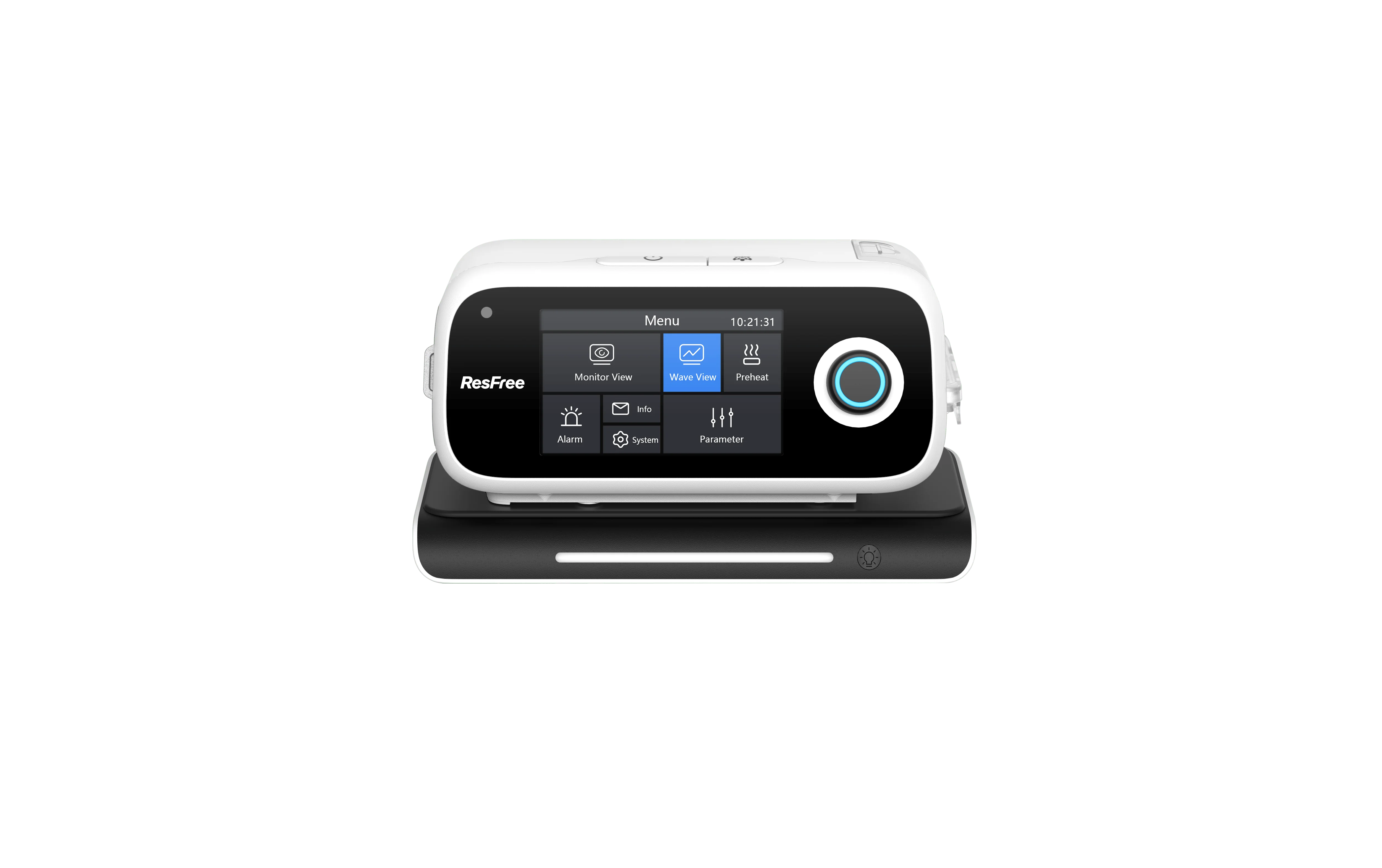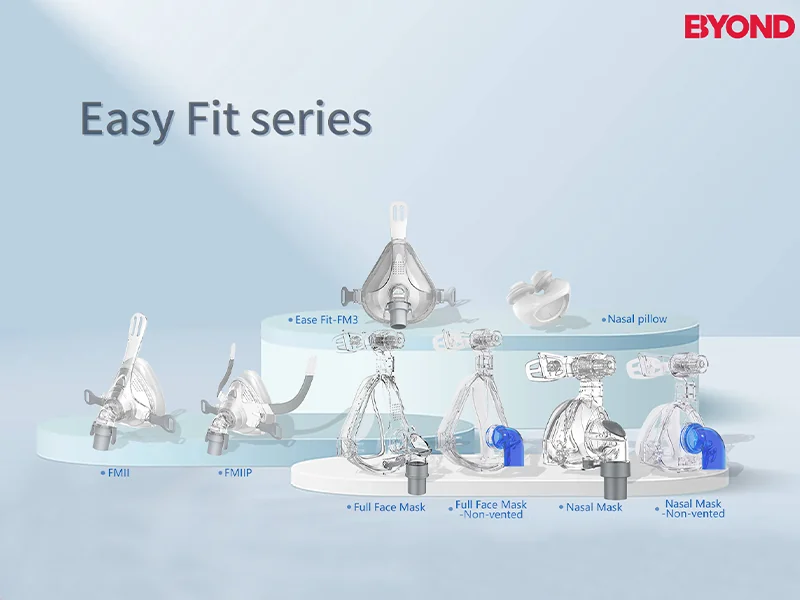
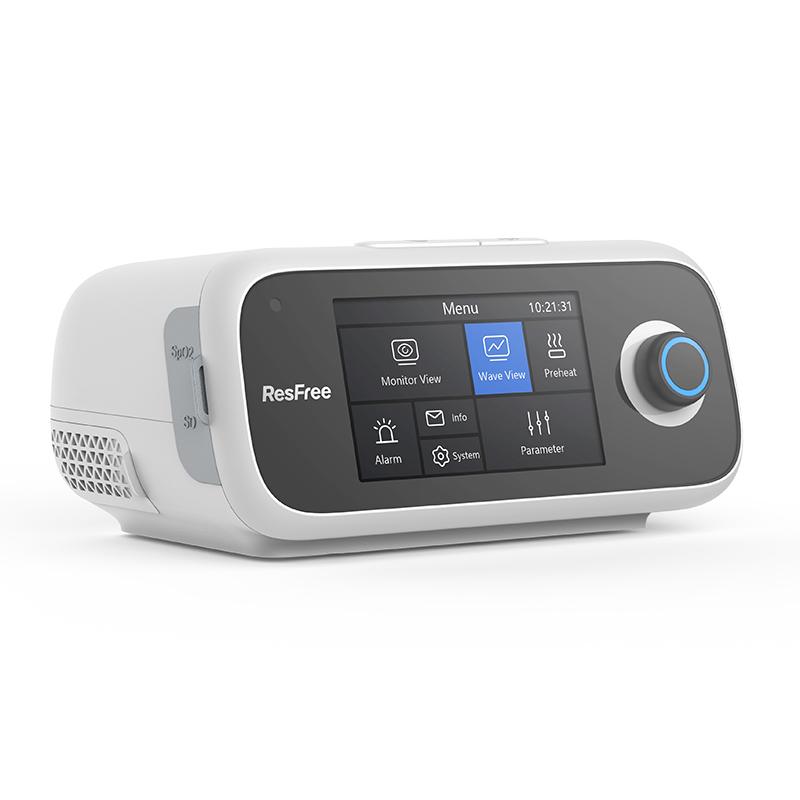
In medical settings, ventilators, as high-risk medical devices, require rigorous cleaning and disinfection protocols to prevent the transmission of iatrogenic infections. Standardized implementation of targeted cleaning procedures combined with high-temperature or chemical disinfection, coupled with stringent monitoring measures and equipment maintenance protocols, effectively eliminates microbial contamination in ventilator circuits and internal components. This not only meets the fundamental requirements of infection control guidelines but also ensures stable device operation and patient respiratory safety, thereby minimizing clinical operational risks.
- Principles for Cleaning and Disinfection of Ventilators
Ventricular machine disinfection primarily refers to the sterilization of the ventilator’s airway tubing system.
(1) External tubing and accessories of ventilators shall be used exclusively for one patient and subjected to single-use disinfection or sterilization; the preferred disinfection method is cleaning and disinfection equipment.
(2) Before cleaning, carefully inspect the pipeline for presence of phlegm crusts, blood serum, oil stains, or other contaminants.
(3) Prior to disinfection, the connecting components should be completely disassembled whenever possible. After disassembly, they must be immediately sent for cleaning and disinfection.
(4) For ventilators equipped with filters at both the air inlet and exhaust port, a section of the internal tubing does not require routine cleaning or disinfection; engineers should perform regular maintenance according to the specific characteristics of the ventilator (the maintenance frequency shall comply with manufacturer-specific requirements).
(5) During cleaning and disinfection, under the premise of ensuring operator safety and environmental safety, the procedure of thorough cleaning followed by disinfection or sterilization must be strictly adhered to.
(6) Ventilator tubing used by patients with specific infections (including those caused by drug-resistant pathogens such as HIV, hepatitis B virus, or MRSA) shall be cleaned and disinfected separately.
(7) If clinical suspicion arises that an infection in a ventilated patient is related to the ventilator circuit, the circuits and accessories should be promptly replaced, cleaned, and disinfected; the ventilator itself should be disinfected if necessary.
(8) After disinfection, all components of the ventilator must be dried before storage for use, and their storage duration shall not exceed one week.
(9) All disinfectants, sterilization instruments, or other disinfection equipment used in hospitals must comply with the provisions of the “Disinfection Management Measures”.
(10)During disinfection procedures, recontamination of items must be avoided. Ventilator tubing treated with chemical disinfectants should be thoroughly cleaned with sterile distilled water.
- Cleaning and Disinfection of Various Components of the Respirator
(1) External surface of the ventilator
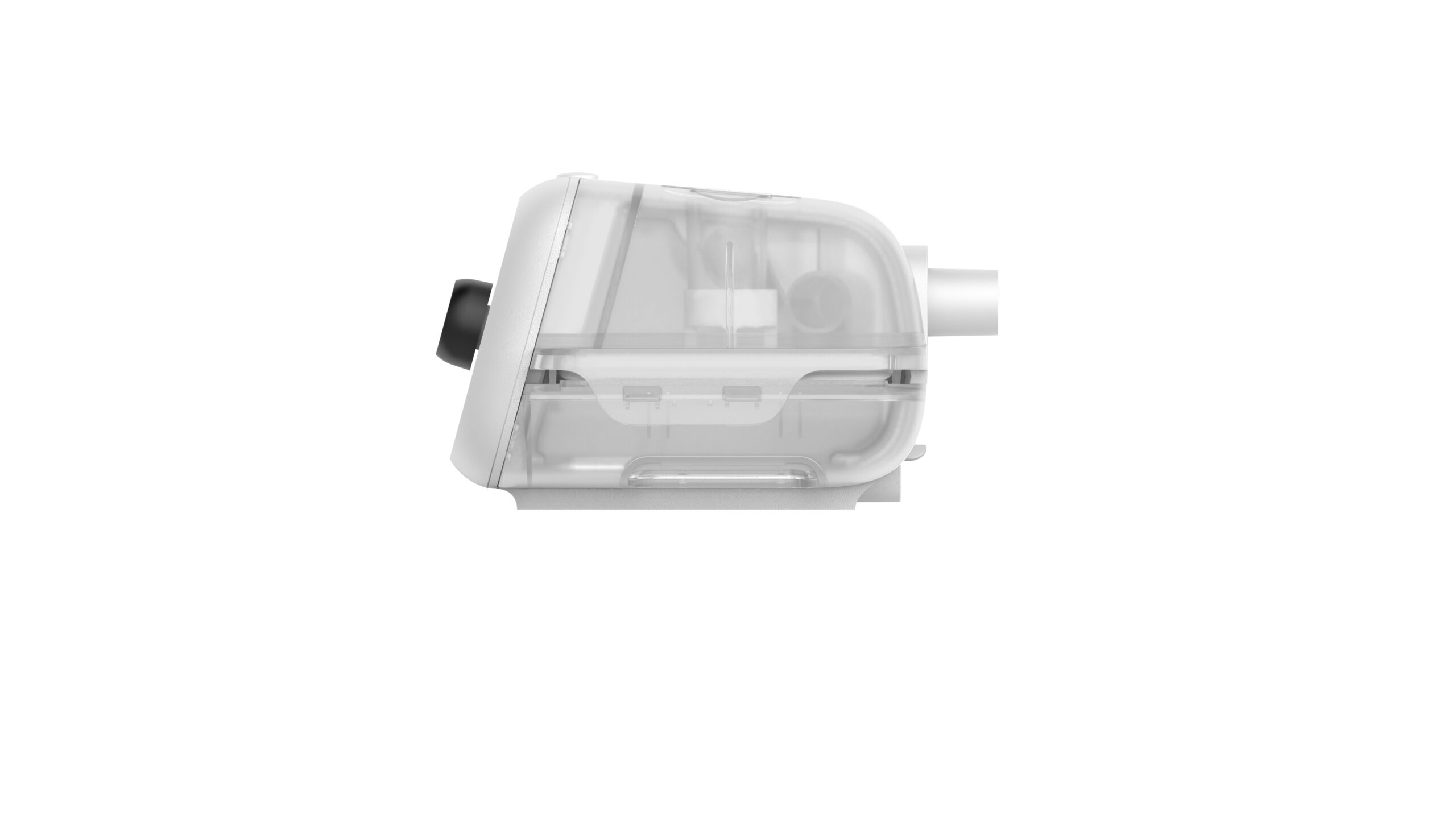
(Including the interface, keyboard, universal arm, power cable, high-pressure air supply pipeline, etc.); wipe with moist gauze once daily. For severe contamination or after ventilator use and disinfection, wipe with 75% medical alcohol; for touchscreen operation panels, wipe with moist gauze once daily. Avoid allowing liquid to enter the interior of the ventilator.
(2) External Ventilator Circuit
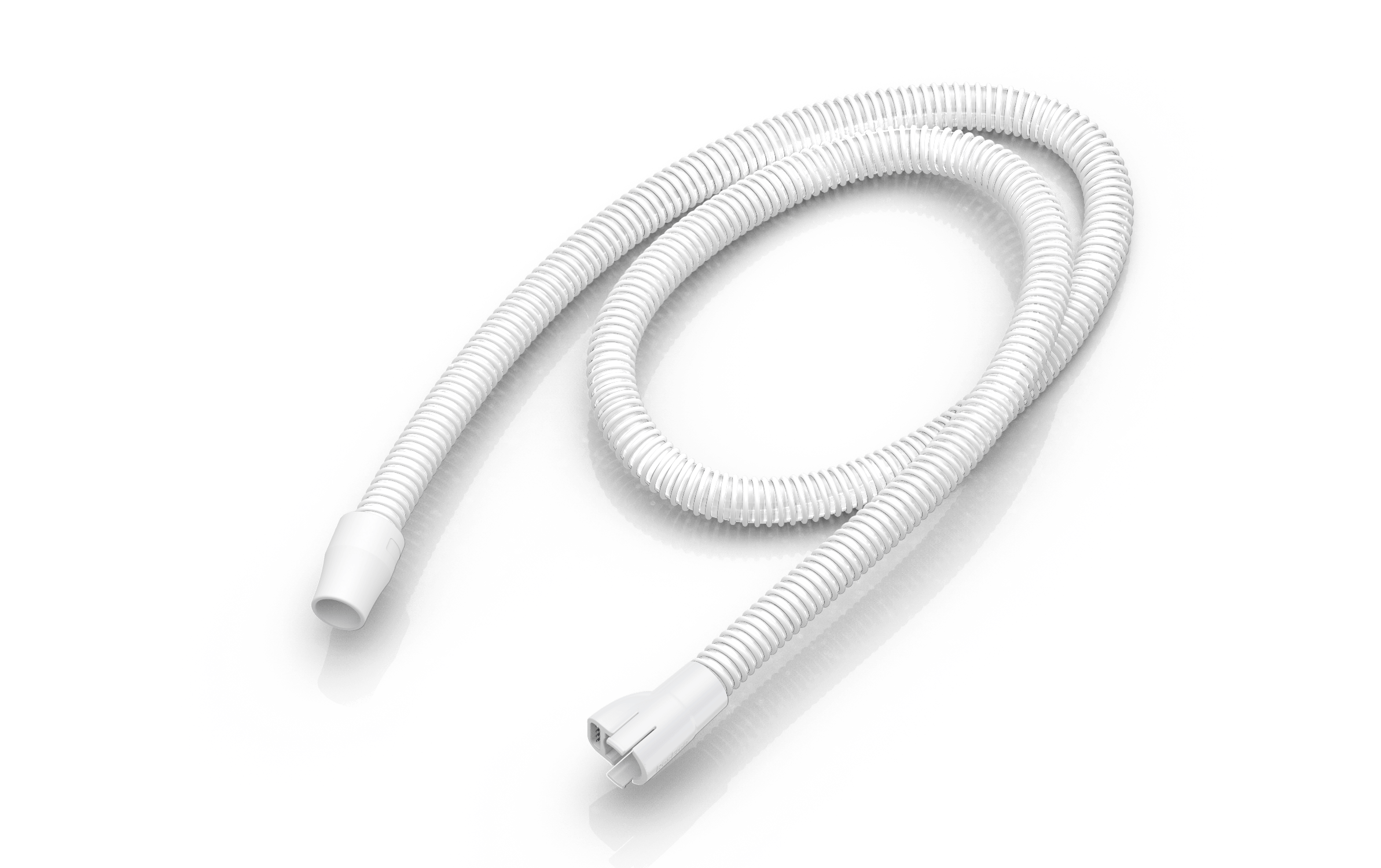
Including ventilator breathing circuits, threaded tubes, humidifiers, collection cups, nebulizers, etc.
(3) The methods, steps, and key points for cleaning and disinfection using a sterilization machine include:
- Medical personnel shall wear necessary protective equipment, such as masks, caps, protective goggles, and gloves, prior to cleaning and disinfection.
- Use gloved hands to completely disassemble all components of the ventilator’s external circuit. Place each component according to the procedures specified by the manufacturer of the cleaning and sterilization device. If the external circuit is contaminated with blood stains, sputum crusts, or other debris, pre-soak the components in an enzyme solution before cleaning them in the device.
- After properly installing the external circuit of the ventilator, perform cleaning and disinfection according to the manufacturer’s instructions by selecting an appropriate program. The minimum temperature of the cleaning and disinfection device should reach at least 85–90°C, with a maintenance duration of at least 5 minutes.
- After automatic cleaning, disinfection, and drying of the ventilator, it shall be stored in a clean bag for dry storage and future use.
(4) Manual Cleaning and Disinfection Methods, Steps, and Key Points
- Medical personnel shall wear necessary protective equipment, such as masks, caps, gloves, splash guards, and protective goggles, prior to cleaning and disinfection.
- Thoroughly disassemble all connections of the external breathing circuit and carefully inspect the tubing for presence of sputum crusts, blood stains, or other residual contaminants.
- Prior to disinfection, the pipelines shall be thoroughly cleaned as required. If there are contaminants such as phlegm crusts or blood stains in the pipelines, they must be soaked in an enzyme-containing solution in a dedicated sink and then meticulously cleaned with a specialized brush.
- During ventilator use, the humidifier equipped with filter paper should have its inner filter paper replaced and the humidification solution changed promptly (the liquid in the humidifier of an operating ventilator should be replaced daily to minimize bacterial proliferation). To prevent the growth and reproduction of pathogenic microorganisms as well as corrosion or damage to the ventilator, the liquid within the humidifier must be discarded after each use, followed by immersion disinfection and drying before reuse.
- Soak the cleaned pipelines and accessories in a disinfectant solution containing 1000 mg/L–2000 mg/L effective chlorine. Ensure complete immersion of all components; pipelines must be free from dead bends, and no bubbles shall exist within the cavities of hollow items. Alternatively, they may be individually packaged for ethylene oxide sterilization.
- After disinfection using the soaking method with disinfectant solution, all pipelines and components shall be thoroughly rinsed with sterile water.
- After disinfection of the external circuit of the ventilator, air-dry or freeze-dry it and store in a clean bag for dry storage; the storage duration shall be one week.
(5) Built-in circuit of the ventilator
The ventilator shall be regularly maintained and repaired by engineers, with the schedule determined according to manufacturer specifications. The airbag, skin pad, bacterial filter, and other components should be replaced periodically. After every 1,000 hours of operation, a comprehensive inspection and replacement of consumables must be performed. The names of all replaced parts and their respective replacement dates shall be recorded in an archive for verification purposes.
(6) Other special components
- Air filter of the ventilator main unit or air compressor: It must be cleaned daily to prevent dust accumulation that could lead to bacterial proliferation.
- Removable exhalation tubing inside the ventilator: Should be cleaned and disinfected according to the methods specified by each manufacturer.
- Removable flow sensors: Flow sensors in various ventilators must be strictly replaced, cleaned, and sterilized according to manufacturer specifications.
- Components such as the bacterial filter at the inhalation or exhalation end of the ventilator, the air supply module filter, the cooling fan filter, and the dust-proof screen may be cleaned or replaced according to manufacturer specifications or as required.
- Monitoring of Ventilator Cleaning and Disinfection Efficiency
(1) The concentration of disinfectant must be monitored daily and recorded to ensure effective disinfection. The duration of disinfectant use shall not exceed the period specified in the product instructions.
(2) Disinfected ventilators shall be monitored at least once every three months, with detailed monitoring records maintained. The reference standard for qualified disinfected ventilators is ≤20 cfu/cm²; immediate monitoring should be performed when there is strong suspicion of a hospital-acquired infection related to the ventilator (sampling sites: outer panel, external tubing, humidification chamber, collection cup, flow sensor, bacterial filters at the inspiratory and expiratory ends, and removable exhalation tubing inside the ventilator).
(3) Methods for monitoring the disinfection efficacy of ventilators:
- Sampling method: Follow the surface sampling procedure specified in the “Technical Specifications for Disinfection”.
- Sampling time: Before using the ventilator.
- Conventional sampling site: external pipeline.
- Monitoring method: Count live bacteria by the smear method.
- Disinfection Monitoring of Cleaning and Sterilization Equipment
The cleaning and disinfection machine is equipped with process monitoring capabilities. During operation, parameters such as water temperature and cleaning/disinfection duration should be recorded, and these monitoring records must be properly preserved for verification purposes.
- Infection Control During Ventilator Use
(1) All types of ventilators shall be used strictly in accordance with the instructions provided by the manufacturer.
(2) Clean the dust-proof mesh pad regularly as instructed in the product manual.
(3) The humidification tank of the ventilator must be filled with sterile distilled water as the humidification solution. During use, the liquid level should be replenished periodically to maintain a consistent volume. The humidification solution in the tank shall be completely replaced once every 24 hours, and both the humidification tank and filter paper shall be replaced weekly.
(4) During the use of the ventilator, condensate in the collection cup must be promptly removed. The collection bowl should be positioned vertically downward at the lowest point of the tubing to prevent condensate from flowing back into the endotracheal tube or the ventilator. Condensate should be disposed of as medical waste.
(5) Patients with infections or infectious diseases should use dedicated ventilator tubing or disposable tubing, and specialized filters when necessary.
(6) It is recommended to use a disposable temperature and humidity exchanger (artificial nose) as a replacement for a humidifier.
(7) Establish a ventilator disinfection logbook.
(8) Conduct regular bacteriological monitoring of the disinfection efficacy of ventilator tubing.
- Maintenance of Respirators
According to the performance requirements of the ventilator and the service life specifications of its accessories, regular cleaning and disinfection of pipelines, replacement of consumables, and testing of main unit functionality shall be performed. These tasks shall be managed by personnel who have received specialized training.
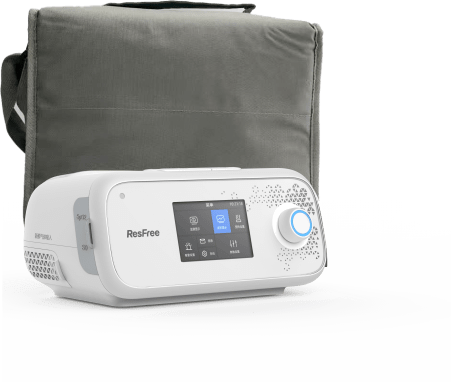
After disinfection, installation, testing, and calibration, the ventilator shall be in a fully functional standby condition. It must be fitted with a dust cover and equipped with a conspicuous sign displaying the phrase “Standby Status.” The device should be stored in a clean, organized, and well-ventilated room, ready for immediate clinical use.