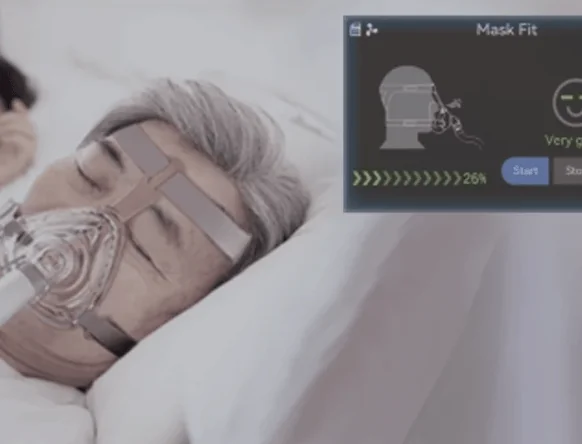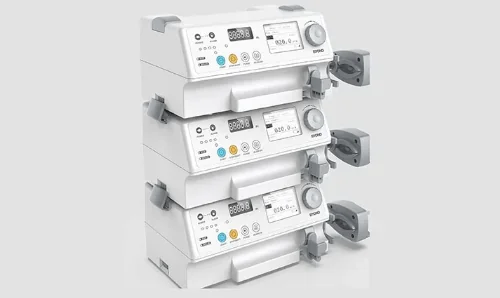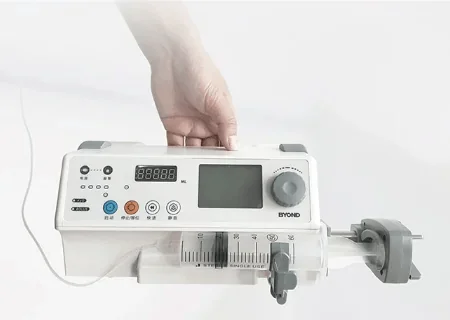
As the global healthcare landscape evolves in 2026, it demands unprecedented operational resilience from commercial procurement networks. Securing reliable respiratory equipment requires healthcare distributors to anticipate sudden shifts in global manufacturing dynamics. Partnering with forward-thinking medical ventilator manufacturers is now the strategic foundation for safeguarding clinical care environments against unpredictable supply disruptions.
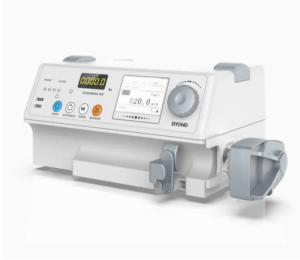
We understand that navigating this complex procurement landscape requires us to look beyond basic cost comparisons and evaluate overall structural stability and production capacity. We know medical facilities need high-performance equipment that delivers consistent therapeutic results while minimizing logistical risks. For this reason, we are re-evaluating our long-term supplier partnerships, prioritizing sustained manufacturing reliability over short-term cost savings.
Managing these operational shifts with absolute precision is vital for long-term clinical success. Our development philosophy focuses heavily on engineering versatile respiratory solutions that directly address the demanding requirements of the modern healthcare market. Understanding the defining trends transforming the supply chain empowers procurement teams to make strategic purchasing decisions.
Emphasizing Supply Chain Flexibility and Regionalization
We observe that the most prominent trend reshaping modern medical procurement is the industry-wide shift toward localized and regionalized production networks. We have seen that heavy reliance on single-source global supply chains leads to severe vulnerabilities during unforeseen international market and commercial disruptions. For this reason, we guide our distributor partners to prioritize supply chain flexibility to sustain stable, consistent inventory across all operations.
We build diversified sourcing channels to help healthcare providers avoid conventional shipping delays and prevent critical shortages of patient care equipment. As a leading manufacturer, we respond to market demands by expanding our global assembly bases and building redundant supply routes to safeguard core product lines. Through this localized operational strategy, we ensure essential respiratory equipment reliably reaches clinical teams exactly when patient care requires it.
Beyond addresses these complex logistical challenges by maintaining highly streamlined production processes and rigorous inventory control systems. Our operational architecture is designed specifically to scale rapidly in response to sudden market fluctuations and increased clinical demands. This production readiness protects our clinical partners from devastating therapy interruptions and stabilizes their long-term commercial growth.
Integrating Smart Diagnostics and Remote Patient Monitoring
The second significant trend revolves around the rapid integration of intelligent diagnostic tracking within modern homecare therapy ecosystems. Modern clinical protocols increasingly require ventilators to function as comprehensive diagnostic tools rather than basic mechanical pumps. Sourcing an intelligent medical ventilator equipped with wireless synchronization is now a mandatory requirement for competitive portfolios.
We recognize the third major industry trend as the shift toward seamless remote patient management and proactive clinical data transmission. We understand that healthcare providers depend heavily on this continuous diagnostic data to adjust therapeutic pressure settings without requiring frequent in-person hospital visits. Our intelligent algorithms automatically detect subtle physiological changes, enabling clinical teams to identify potential airway complications at an earlier stage.
We deliver greater clinical value through our smart homecare devices, which seamlessly connect patients’ home therapy environments with professional medical response teams. As procurement experts, we prioritize equipment that integrates smoothly with existing hospital management software to build unified healthcare ecosystems. By sourcing these advanced intelligent platforms, we help distributors become irreplaceable partners for modern respiratory therapy providers.
Prioritizing Modular Engineering and Hardware Durability
We identify the fourth major trend reshaping modern supply chains as the growing emphasis on modular engineering and extended hardware lifecycles. As institutional buyers, we prioritize total cost of ownership over upfront capital expenditure alone. We recognize that sourcing highly durable medical ventilators reduces unplanned maintenance expenses caused by frequent technical failures.
We standardize internal components across multiple device platforms to help clinical facilities streamline long-term routine maintenance procedures. Thanks to our accessible device architecture, biomedical technicians can complete necessary calibrations and part replacements with minimal workflow disruption. This practical engineering approach directly reduces unplanned equipment downtime and maximizes overall hardware service life.
Our dedicated engineering teams at Beyond focus intently on structural reliability, utilizing premium materials designed specifically for continuous daily operation. Every mechanical unit undergoes exhaustive testing to verify its stability under demanding clinical usage scenarios before leaving the facility. By supplying inherently robust hardware, we help administrative teams protect their institutional budgets and lower maintenance liabilities.
Evaluating OEM Partnerships for Advanced Clinical Solutions
We identify the fifth defining trend of 2026 as a strategic shift in how medical distributors engage with OEM partnerships. Rather than simply purchasing generic devices, we see procurement managers pursuing collaborative manufacturing relationships that drive continuous technological innovation. We believe partnering with manufacturers that independently develop proprietary flow sensors creates a clear competitive edge in the marketplace.
We find that working with transaction-focused manufacturers often results in sluggish product development cycles and insufficient responsive technical support. As forward-thinking distributors, we prioritize ongoing engineering collaboration to customize therapeutic features that fit localized clinical needs. This dynamic partnership model allows us to differentiate our medical ventilator product portfolios within the competitive global market.
We differentiate our manufacturing approach at Beyond by deeply integrating original research and development directly into our core daily production workflows. This deep technical ownership allows us to refine our advanced ventilation solutions continuously, meeting the precise mechanical demands of modern therapies. Building strong collaborative relationships guarantees that our distribution partners always deliver cutting-edge clinical technology.
Conclusion
We believe that optimizing the 2026 respiratory device supply chain requires seamless adaptation to regionalized production, intelligent diagnostics, and remote patient monitoring. We also recognize that distributors must embrace the trend of modular equipment and build collaborative partnerships with technologically advanced OEM manufacturers to secure stable product supply. By aligning our procurement strategies with these five core industry shifts, we ensure long-term, sustainable clinical and business success.
Our dedicated team remains focused on empowering healthcare providers with versatile respiratory solutions that streamline daily medical workflows and protect patient safety. We are committed to building resilient manufacturing networks that deliver consistent therapeutic quality and robust technical support. We invite you to explore our comprehensive respiratory portfolios and commercial partnership opportunities by visiting Beyond today.