A CPAP device becomes easier to use when mask fit, pressure comfort, humidity, and nightly habits work together. The goal is not to “push through” discomfort. The goal is to find the exact source of irritation and solve it early.
For home care users, comfort affects consistency. For medical device agents and distributors, comfort also affects training quality, after-sales support, and repeat confidence in the CPAP machine or BiPAP device they supply.
Why Does a CPAP Device Feel Uncomfortable at Night?
A CPAP device usually feels uncomfortable because several small problems happen at once. Mask leaks, dry airflow, pressure intolerance, and poor tubing position can all wake the user during the night.
Common issues include a leaky mask, dry mouth, nasal stuffiness, skin marks, and difficulty falling asleep. Mayo Clinic notes that the wrong mask size or style can cause leaks, irritation, and pressure sores.
What should users check first?
Users should check mask fit first because one leak can create several symptoms. For example, air blowing toward the eyes may feel like dryness, while a loose seal may make the machine sound louder.
- Check the mask while air is flowing, not while the machine is off.
- Adjust straps gradually instead of over-tightening.
- Route tubing so it does not pull the mask during side sleeping.
How Can Users Improve Mask Fit and Reduce Air Leaks?
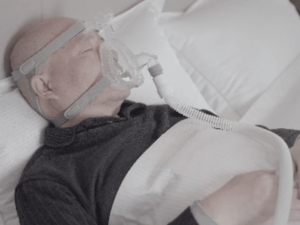
Users can reduce leaks by matching the mask style to breathing pattern, face shape, and sleep position. A nasal mask, nasal pillow mask, or full-face mask may feel different even at the same pressure.
However, no mask style works for everyone. A mouth breather may need a full-face option, while a side sleeper may need a smaller contact area. Therefore, fitting should be treated as a trial, not a one-time decision.
What should distributors teach during setup?
Distributors should teach users what a normal seal feels like. A small vent flow is expected, but a leak that dries the eyes, causes noise, or wakes the user should be reviewed.
| Problem | Likely Cause | Practical Step |
| Dry eyes | Air leak near upper mask | Refit mask and check cushion position |
| Skin marks | Straps too tight | Loosen gradually and check mask size |
| Noise | Tube pull or leak | Reposition tubing before sleep |
A simple first-week routine also helps. Users can wear the mask for a few minutes before bedtime, check the seal while lying in their normal sleep position, and note one issue at a time. This keeps troubleshooting specific instead of turning every bad night into a full equipment change.
How Can Pressure, Humidity, and Tubing Settings Improve Comfort?
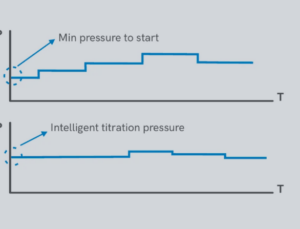
Pressure should follow prescribed settings, while humidity and tubing comfort settings should be adjusted according to device guidance or clinical advice. If pressure feels harsh, users should ask the care team about ramp, pressure tolerance, or therapy review.
Ramp features help some users because pressure starts lower while they fall asleep. Heated humidification may also reduce dryness, nasal irritation, or dry mouth, especially when the room is cool or dry.
For example, a user who wakes with dry mouth should not assume the CPAP machine is unsuitable. The cause may be mouth leak, low humidity, room dryness, or worn mask parts. Checking these basics first can prevent unnecessary product returns and support calls.
When does a BiPAP device enter the discussion?
A BiPAP device may be discussed when one continuous pressure is not suitable for the user’s clinical situation. BiPAP uses different inspiratory and expiratory pressure levels, while CPAP delivers continuous positive airway pressure.
- Do not change pressure without medical guidance.
- Record dryness, leaks, and wake-ups for seven nights.
- Ask whether mask type, humidity, or therapy mode needs review.
How Does BYOND Support Comfortable Home Respiratory Therapy?
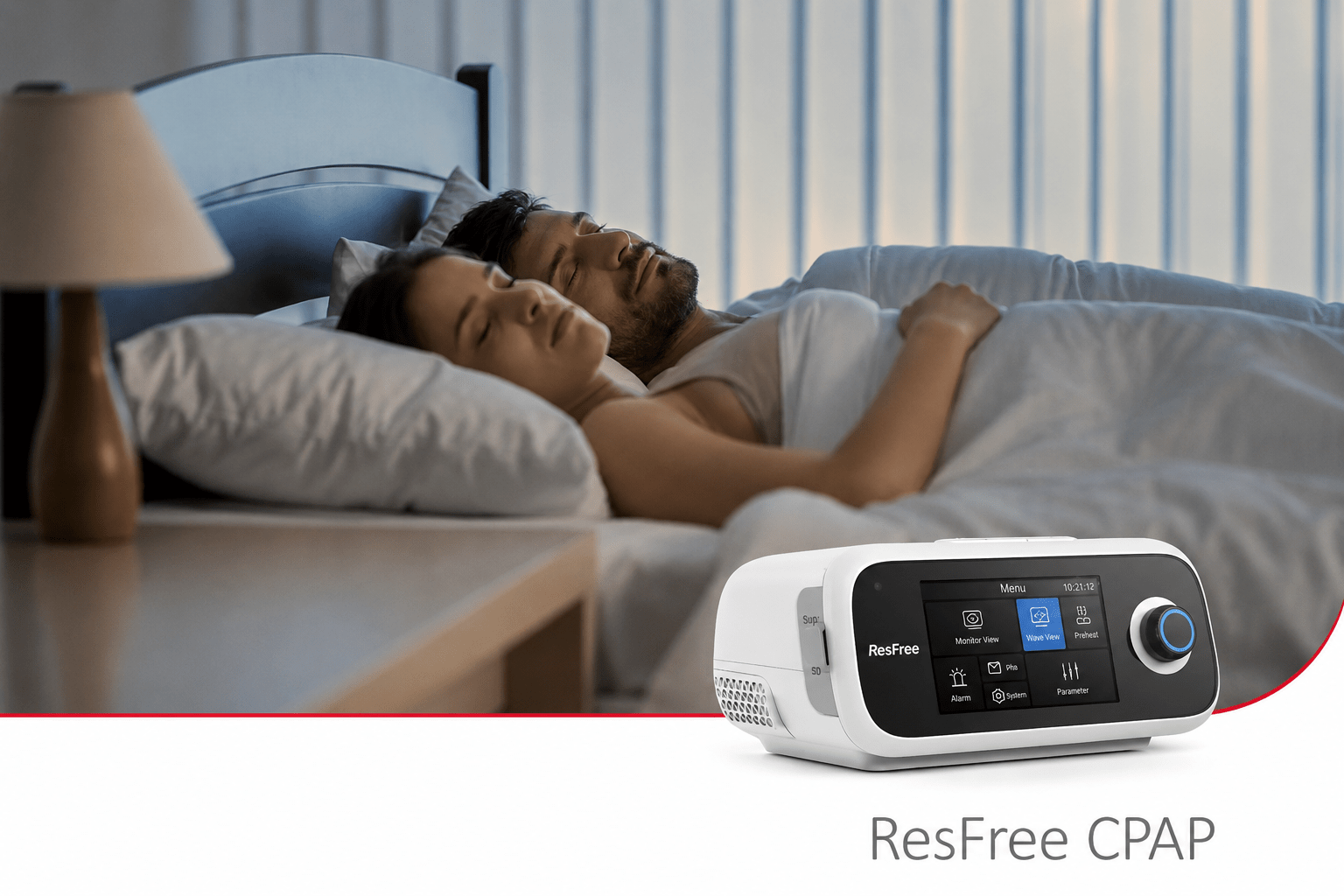
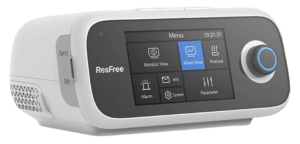
Beyond supports home respiratory therapy through our ResFree Series, which is described as a home-use portable non-invasive auto CPAP/BiPAP ventilator series.
For OSA and snoring, the CPAP Series includes iAPAP intelligent titration, Boost Sensitivity, and Auto RAMP. These features are relevant when users need smoother nightly adaptation to a CPAP machine.
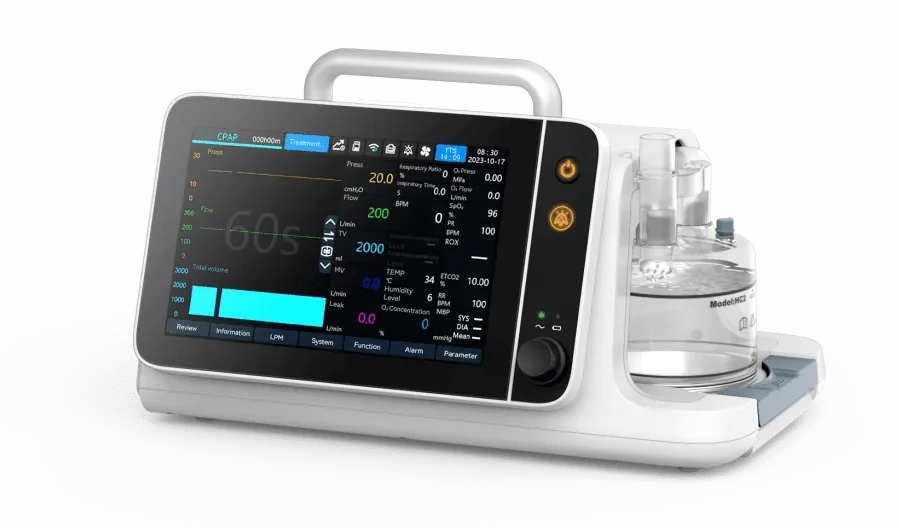
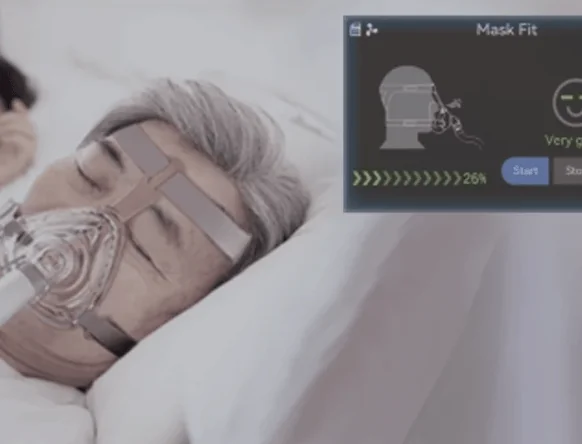
For COPD, respiratory insufficiency, and central sleep apnea, the official page lists the ResFree BiPAP Series with VAF, high flow mode, and mask fit detection. This makes the page relevant to users researching a home BiPAP machine or breathing machines for COPD.
Why may agents and distributors care?
Agents evaluating a BiPAP breathing machine wholesaler need more than a product name. They need clear use scenarios, accessories, data options, and training points that make home setup easier to explain.
For distributor teams, these details can become a practical training script: explain the therapy scenario, demonstrate mask fit detection, review humidification and tubing options, and show how connected data may support follow-up. This shifts the discussion toward use quality, not only device specifications.
| BYOND ResFree Detail | Official Page Information |
| Weight | 1.37 kg |
| Noise level | ≤26 dBA |
| Connectivity | Optional Wi-Fi / 4G data integration |
| Accessories | Heated tube, SpO₂ kit, Wi-Fi / 4G modules |
When Should Users Ask a Clinician Before Changing the Setup?
Users should ask a clinician before changing pressure, switching from CPAP to BiPAP for OSA, or stopping therapy. Comfort problems may be solvable, but medical settings still need professional review.
This is especially important when the user has COPD, significant air swallowing, persistent leaks, or continued daytime sleepiness. The issue may involve mask fit, nasal congestion, pressure level, or a different therapy need.
- Ask for help if leaks continue after refitting.
- Ask about humidity if dryness persists.
- Ask about a BiPAP device only through clinical guidance.
- Do not lower pressure simply to make airflow feel easier.
Conclusion: How Can Users Make CPAP Therapy Easier to Continue?
Users make CPAP therapy easier by solving the real source of discomfort: fit, leak, dryness, pressure tolerance, tubing pull, or lack of training. Small changes can make nightly use feel more predictable.
For home care users, the right CPAP device should feel manageable enough for routine sleep. For distributors, the right product support should make setup, troubleshooting, and user education easier to repeat.
To evaluate CPAP and BiPAP solutions for home respiratory care, distributors can review our home ventilation product page and compare the CPAP Series and BiPAP Series against their market needs.
- Comfort starts with fit.
- Pressure support should follow medical guidance.
- Humidity and tubing setup can reduce irritation.
- Supplier training supports long-term use.