Evaluating specialized breathing support equipment for clinical wards involves balancing patient acuity needs with daily operational workflows. Deploying an advanced medical ventilator in high-acuity wards enables care teams to manage fluctuating respiratory failure while delivering consistent positive pressure support. Dynamic pressure delivery, patient-device synchronization, and data connectivity are therefore the three specifications worth checking first when equipping modern pulmonary departments.
Centralizing respiratory management across hospital units enhances clinical oversight while maintaining patient comfort during non-invasive therapy. Our team at Beyond analyzes clinical environments to design versatile respiratory solutions that assist medical staff during acute interventions. Choosing appropriate hospital platforms requires evaluating technical specifications, monitoring capabilities, and network integration features.

Assessing Clinical Needs in Ward Environments
Hospital wards treat diverse patient populations suffering from severe hypoxemia, acute chronic obstructive pulmonary disease exacerbations, and post-extubation fatigue. Medical platforms must deliver precise pressure support to prevent alveolar collapse and assist tired respiratory muscles. Matching device capabilities to average patient acuity ensures that care teams can address sudden clinical declines effectively.
Standardizing equipment across respiratory wards simplifies clinical workflows and reduces device management complexity for nursing personnel. Staff members interact with a uniform interface, which minimizes user errors during high-stress emergency interventions. We focus on engineering adaptable respiratory architecture that supports seamless clinical operations across varied care settings.
Evaluating Bi-Level Pressure Modes and Synchrony
Delivering effective bi-level positive pressure support depends heavily on sensitive breath-triggering and cycling mechanisms. Advanced control algorithms track subtle airflow shifts to match the patient’s natural breathing efforts in real time. Preventing patient-ventilator dyssynchrony reduces physical work of breathing, improving treatment tolerance during extended therapy sessions.
Flexible operational modes accommodate varying clinical scenarios, ranging from spontaneous breathing support to time-triggered ventilation. Integrating responsive pressure regulation within a medical ventilator system maintains target volume delivery despite changing lung compliance. Reliable synchrony supports faster stabilization during acute exacerbations of respiratory failure.
Leakage Compensation and Airway Conditioning
Interface leaks around nasal or facial masks present ongoing challenges during non-invasive positive pressure therapy. Modern systems calculate leak rates continuously, adjusting flow delivery instantly to maintain target pressure gradients. Effective leak compensation prevents inadvertent drops in therapeutic pressure without requiring excessive mask tightening.
Conditioning delivered gases remains essential for preserving mucosal integrity and ciliary clearance during prolonged support. Heated humidification warms and hydrates inspired air, preventing bronchial irritation and secretional buildup. Maintaining proper airway moisture levels protects delicate pulmonary tissues while enhancing overall patient comfort.
Data Integration and Cloud Connectivity Architecture
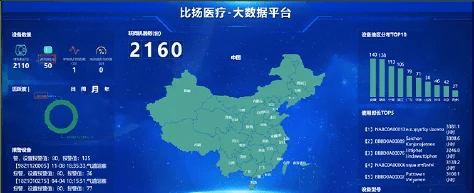
Modern healthcare facilities increasingly rely on automated data transmission to streamline patient monitoring and clinical documentation. Cloud Connectivity features transform how care teams track therapeutic progress across busy hospital units. On this auto cpap machine, built-in WIFI and Wired LAN support automatic treatment data uploading to cloud platforms.
Automated data transmission creates seamless sync without manual exports, giving clinicians immediate access to comprehensive ventilation metrics. Centralized data access allows physicians to review compliance trends, pressure curves, and usage history from remote workstations. Digitizing patient records reduces manual clerical burdens for nursing staff while supporting informed clinical decision-making.
Enhancing Bedside Workflows and Data Accuracy
Manual data collection consumes valuable nursing time and increases the likelihood of clerical recording errors. Transmitting real-time therapy data directly to hospital information systems verifies that accurate patient records remain up to date. Automated monitoring allows care teams to dedicate more time to direct bedside care and patient evaluation.
Continuous cloud synchronization aids longitudinal studies and internal clinical audits by capturing precise operational metrics. Reviewing aggregated ventilation trends helps physicians refine treatment protocols for complex pulmonary conditions. Connecting clinical hardware to secure networks optimizes resource allocation across hospital departments.
Monitoring and Alarm Safety Mechanisms
Timely detection of unexpected clinical changes requires intuitive visual displays and clear acoustic alarm systems. Modern clinical devices track delivered volumes, peak pressures, and respiratory rates continuously to flag immediate abnormalities. Immediate feedback alerts healthcare workers to circuit disconnections, severe mask leaks, or patient apnea events.
Voice alarms and visual prompts help clinical staff prioritize emergency responses effectively in busy ward environments. Utilizing a reliable medical ventilator system with intelligent alarm management prevents alarm fatigue among bedside caregivers. Clear alert systems maintain high safety standards across high-acuity respiratory wards.
Streamlining Operational Costs and Maintenance
Investing in versatile respiratory platforms helps healthcare institutions optimize capital expenditures and operational budgets. Dual-function units capable of delivering multiple therapeutic modalities lower overall device procurement demands. Centralizing hardware maintenance schedules reduces servicing overhead while ensuring continuous equipment availability.
Intuitive software interfaces reduce onboarding time for new medical staff, lowering training expenses across hospital departments. At Beyond, our development team builds durable, multi-functional platforms that deliver long-term value for healthcare facilities. Choosing scalable clinical hardware supports high standards of patient care while maintaining financial efficiency.
Selecting Scalable Technology for Long-Term Value
Evaluating long-term clinical needs involves selecting hardware platforms that adapt to evolving medical software and networking standards. Modular hardware design allows medical facilities to integrate future feature updates without replacing entire physical units. Deploying a flexible medical ventilator system prepares respiratory wards for future technological advancements.
Interoperable platforms support smooth integration with electronic health records and centralized monitoring software. Standardizing on adaptable hardware enhances clinical efficiency across emergency, intensive care, and step-down departments. Choosing future-ready technology empowers healthcare teams to deliver responsive, patient-centered pulmonary care.
Conclusion
Selecting appropriate BiPAP hospital models requires careful evaluation of pressure performance, patient synchrony, and digital connectivity. Modern features, such as automated cloud synchronization, assist care teams by streamlining patient data management and optimizing ward workflows. Through dedicated innovation, our team at Beyond develops adaptable respiratory systems to support clinicians and improve patient outcomes globally.