Navigating severe pulmonary distress in hospital wards requires swift choices regarding therapeutic delivery systems. Clinical teams historically relied on standalone units when transitioning patients between high-flow oxygenation and non-invasive pressure support. Utilizing a unified medical ventilator allows healthcare staff to adjust therapy modes seamlessly without disrupting patient circuits during critical recovery phases.
Fragmented equipment setups often increase operational complexity for nursing staff during urgent interventions. At Beyond, we analyze how integrated respiratory platforms streamline bedside workflows compared to using multiple single-purpose devices. Understanding the clinical differences between consolidated platforms and standalone hardware helps hospitals optimize patient outcomes and resource allocation.

Operational Differences in Modern Respiratory Care
Managing distinct devices for high-flow nasal cannula (HFNC) therapy and non-invasive ventilation introduces setup delays during acute care transitions. When a patient requires higher pressure support, clinicians using a separate NIV machine must locate, transport, and assemble secondary equipment. This delay extends treatment setup times and elevates patient anxiety during acute distress.
Consolidating therapy modes into a single platform allows care providers to switch between high-flow oxygen and non-invasive support instantly. Changing parameters on a single interface preserves circuit integrity and prevents accidental pressure drops. Streamlined mode transitions maintain clinical continuity while protecting fragile pulmonary structures during therapeutic adjustments.
Physiological Benefits of Unified Modality Transition
Switching patients between separate devices usually means disconnecting the breathing circuit, which can interrupt positive end-expiratory pressure. Even brief pressure interruptions may contribute to derecruitment and micro-atelectasis in severely hypoxemic individuals. Maintaining stable pressure delivery across mode transitions therefore helps preserve functional residual capacity in compromised lungs.
Deploying an integrated NIV machine enables clinicians to maintain continuous airway recruitment throughout treatment escalation. Continuous gas conditioning protects airway epithelium from drying out during rapid flow adjustments. Preserving mucosal hydration supports natural mucociliary clearance and reduces airway inflammation in critically ill patients.
Hardware Footprint and Ward Space Efficiency
Overcrowded hospital wards create significant challenges for medical personnel responding to clinical emergencies. Positioning separate high-flow units, non-invasive support devices, and nebulizer systems around a single bed obstructs vital access. Compact hardware architecture frees up valuable space around the patient bed, improving maneuverability for clinical teams.
Consolidating essential therapeutic functions into one machine reduces bedside cable clutter and tubing complexity. Clean treatment environments lower the risk of accidental line disconnections during routine patient turns. At Beyond, we focus on space-saving design principles that improve safety and accessibility in busy healthcare units.
Synergy in Aerosol Therapy and Gas Conditioning
Delivering aerosolized bronchodilators during active mechanical support often presents technical challenges when using separate equipment. Third-party nebulizers placed inside breathing circuits can disrupt flow sensors and compromise pressure delivery precision. Integrated nebulization ports synchronize drug administration directly with gas delivery without altering pressure parameters.
Synchronized aerosol delivery carries medication droplets deep into bronchial pathways during active ventilation. Preserving exact gas flow rates during nebulization enhances drug deposition and speeds airway dilation. Combining heating, humidification, and aerosol delivery inside one platform maximizes overall therapeutic efficacy.
Real-Time Remote Monitoring and Digital Health Integration
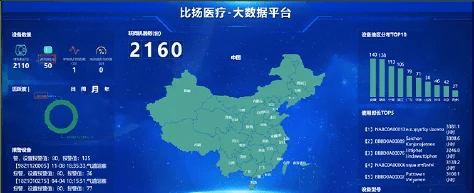
Modern healthcare environments increasingly rely on digital connectivity to oversee patient recovery trends continuously. Remote Monitoring capabilities transform how care providers review ventilation metrics across busy hospital wards. Because an integrated platform streams therapy data to mobile apps and PC portals, physicians can review the status of a networked medical ventilator from outside the ward and refine parameters as a patient’s condition shifts.
Remote monitoring allows clinical staff to track tidal volumes, pressure curves, and leakage rates from central nursing stations. Immediate data access supports proactive decision-making, helping physicians refine parameters before severe clinical deterioration occurs. Automated record synchronization reduces manual documentation burdens for healthcare providers.
Simplifying Equipment Maintenance and Training
Maintaining separate hardware inventories increases the workload for biomedical engineering departments and clinical staff. Servicing multiple compressors, sensors, and external flowmeters raises routine maintenance costs and creates scheduling conflicts. Standardizing on multi-modal platforms simplifies routine safety inspections and recalibration procedures.
Clinical staff orientation becomes far simpler when nurses master a single user interface rather than multiple device platforms. Standardized operating logic across respiratory modalities minimizes user errors during high-stress clinical situations. Operational simplicity allows caregivers to spend more time delivering direct patient care.
Financial and Clinical Resource Allocation
Procuring individual devices for every therapeutic modality places heavy capital demands on healthcare facility budgets. Managing separate service contracts, replacement parts, and accessory lines increases long-term operational expenditure significantly. Deploying a multi-functional medical ventilator optimizes capital utilization by fulfilling multiple clinical needs with one device.
Operating versatile hardware allows hospital administrators to reallocate capital toward other critical patient care resources. Deploying a flexible NIV machine across intensive care and step-down wards improves overall device utilization rates. Wise resource allocation supports high-quality healthcare delivery while maintaining institutional financial stability.
Conclusion
Choosing between integrated respiratory platforms and separate devices fundamentally shapes clinical efficiency and patient safety. Multi-modal systems streamline treatment transitions, improve space utilization, and offer advanced digital monitoring capabilities. Our team at Beyond remains dedicated to refining multi-functional respiratory solutions that support clinicians and advance patient care globally.