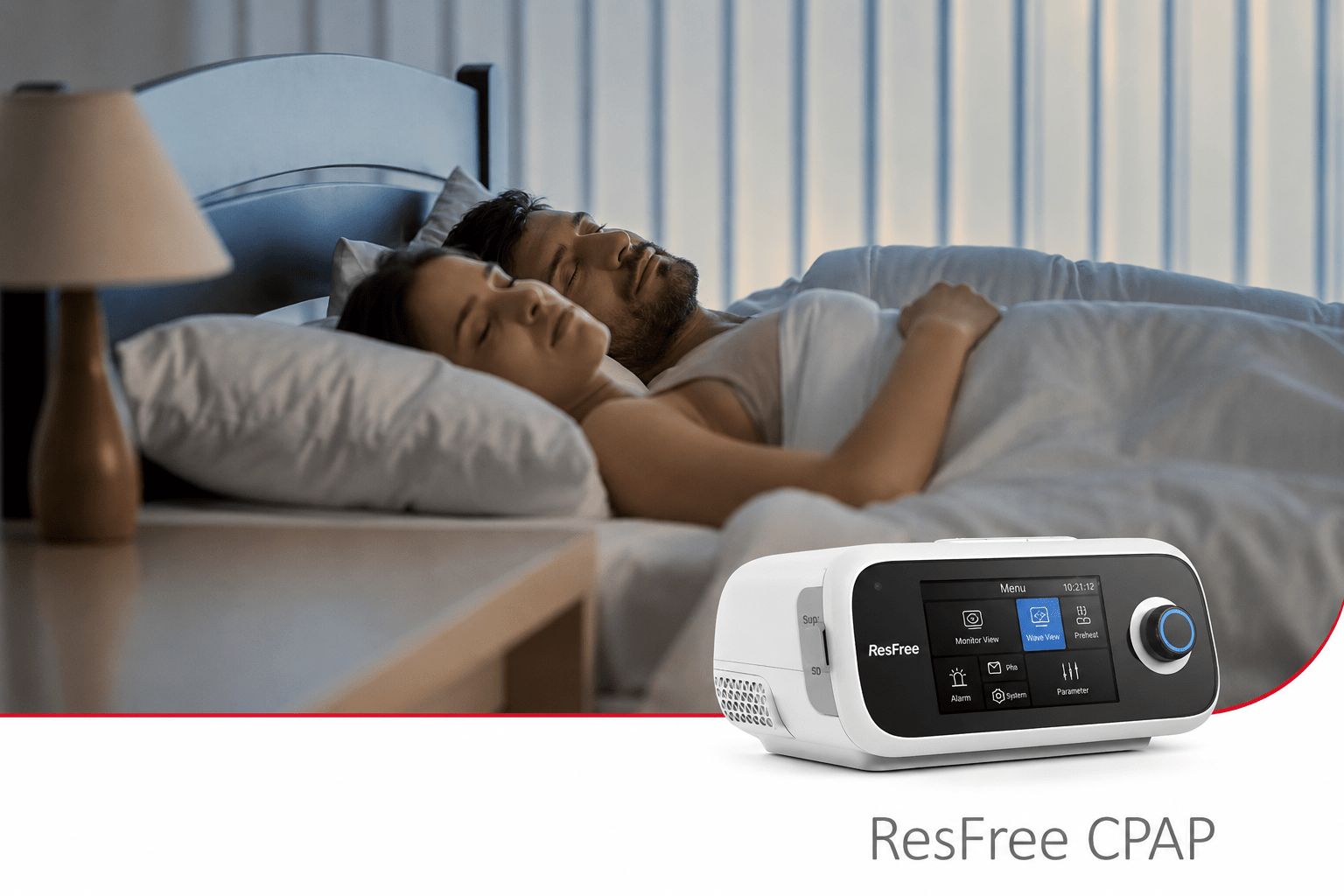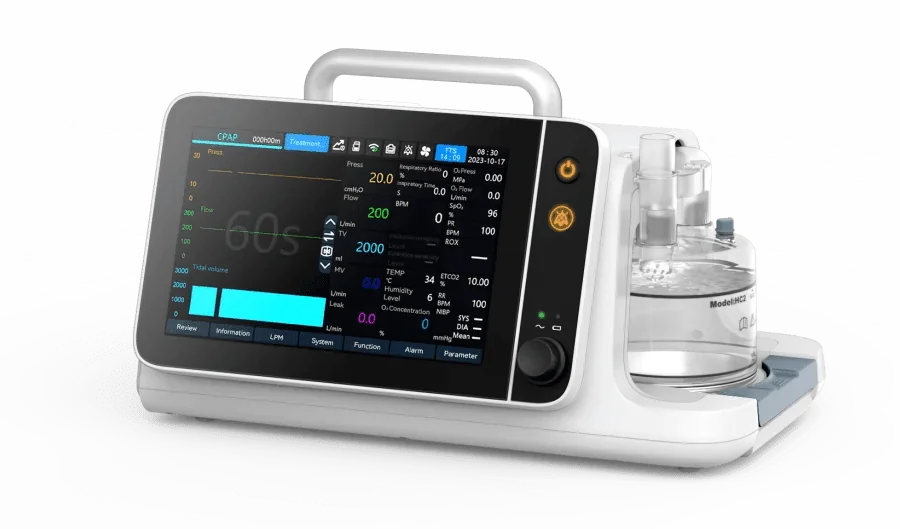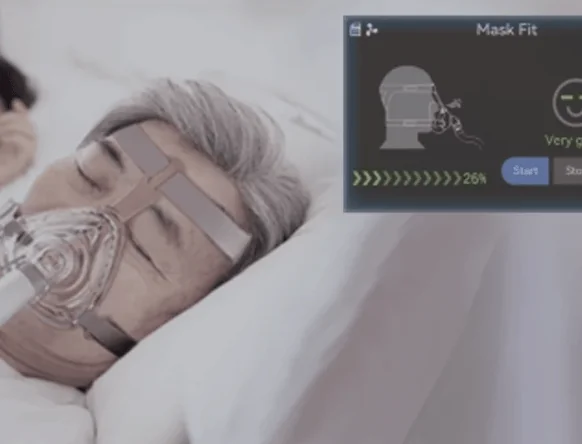
Procuring respiratory equipment requires a high degree of precision to ensure that hospitals and distributors receive reliable hardware for patient care. Many procurement teams face significant challenges when assessing quality, verifying certifications, and ensuring long-term technical support. When evaluating the acquisition of a medical ventilator, procurement teams should pay close attention to key performance specifications, monitoring functions, and airflow management. Addressing these logistical hurdles early helps maintain a consistent supply chain for critical medical resources.
Evaluating Technical Certification and Compliance
The primary concern for any healthcare facility is the regulatory standing of the equipment they purchase. Missing or outdated documentation can result in legal complications and patient safety risks. Procurement partners should demand comprehensive proof of conformity for every unit, ensuring that the hardware meets international safety standards. A lack of transparency in the manufacturing documentation is a significant indicator that a supplier may not be meeting global requirements.
When dealing with a high-volume order, it is important to verify the authenticity of the performance claims made by the vendor. Qualified manufacturers should be able to provide relevant test reports and technical documentation supporting the performance and compliance of their medical devices. Ensuring that these documents are provided upfront allows distributors to conduct thorough internal audits. By confirming compliance before finalizing contracts, organizations mitigate the risk of importing equipment that fails to satisfy local medical guidelines.
Analyzing Operational Consistency and Hardware Longevity
Consistency in hardware performance is vital for successful long-term outcomes in sleep therapy. Variations in motor output or sensor accuracy between units can compromise the efficacy of treatments for patients with complex respiratory needs. When reviewing potential inventory, focus on the manufacturer’s testing protocols for noise levels and pressure regulation, as these factors contribute directly to the overall lifespan of the machinery.
To maintain a reliable stock, check for the integration of quality control measures at every stage of the assembly process. Hunan Biyang Medical Technology Co., Ltd. functions as a science, industry, and trade enterprise, covering a wide array of devices including home ventilators and infusion pumps. Their systematic approach to research and development helps ensure that each unit maintains operational stability. We prioritize these technical benchmarks to prevent common hardware failures that often plague larger, less focused bulk acquisitions.
Addressing Gaps in Technical Support and Maintenance
A frequent error in bulk sourcing involves ignoring the importance of ongoing technical assistance. Depending on the device, ongoing maintenance may include calibration, software or firmware updates, and replacement of applicable components. Purchasing hardware from a vendor that lacks a robust service infrastructure often leads to expensive downtime. It is essential to confirm that the supplier provides a clear framework for maintenance before completing a transaction.
The professional landscape requires partners that offer more than just a product; they provide a complete support system. As an organization that integrates equipment research, manufacturing, and service, we offer comprehensive guidance on device maintenance. This level of support ensures that equipment stays functional over its expected lifecycle. By securing a partnership that emphasizes long-term service, healthcare providers avoid the frustration of dealing with malfunctioning sleep apnea cpap devices that lack proper technical backing.
Ensuring Seamless Integration and Data Accuracy
Data management is a critical element of modern medical care. Devices that fail to sync correctly with hospital information systems can cause significant administrative delays. Procurement teams should confirm that the software interfaces are compatible with existing digital databases. When sourcing, ask specifically about how the units manage patient data and whether they offer remote monitoring capabilities that simplify the workflow for clinical staff.
Effective communication between the device and the clinic is the goal of any high-performance sleep apnea cpap devices deployment. We ensure that our systems facilitate accurate data capture and transmission, supporting clinicians in their daily tasks. By confirming these technical features, facilities can reduce the risk of selecting equipment that does not meet their current connectivity and data-management requirements. This proactive approach supports a more efficient environment for all stakeholders involved in respiratory care.
Conclusion
Successfully sourcing respiratory equipment requires a methodical approach that prioritizes technical validation and long-term service. By carefully checking regulatory documentation, evaluating manufacturer quality control, and securing reliable support channels, procurement professionals can bypass common industry pitfalls. Beyond provides a stable foundation for these acquisitions, offering advanced solutions that integrate research, design, and dedicated service. We remain committed to helping global partners secure the necessary tools for effective patient care. Making well-informed decisions regarding the procurement of sleep apnea cpap devices and related technologies ensures that healthcare facilities remain prepared to deliver consistent, high-quality treatment to every patient.