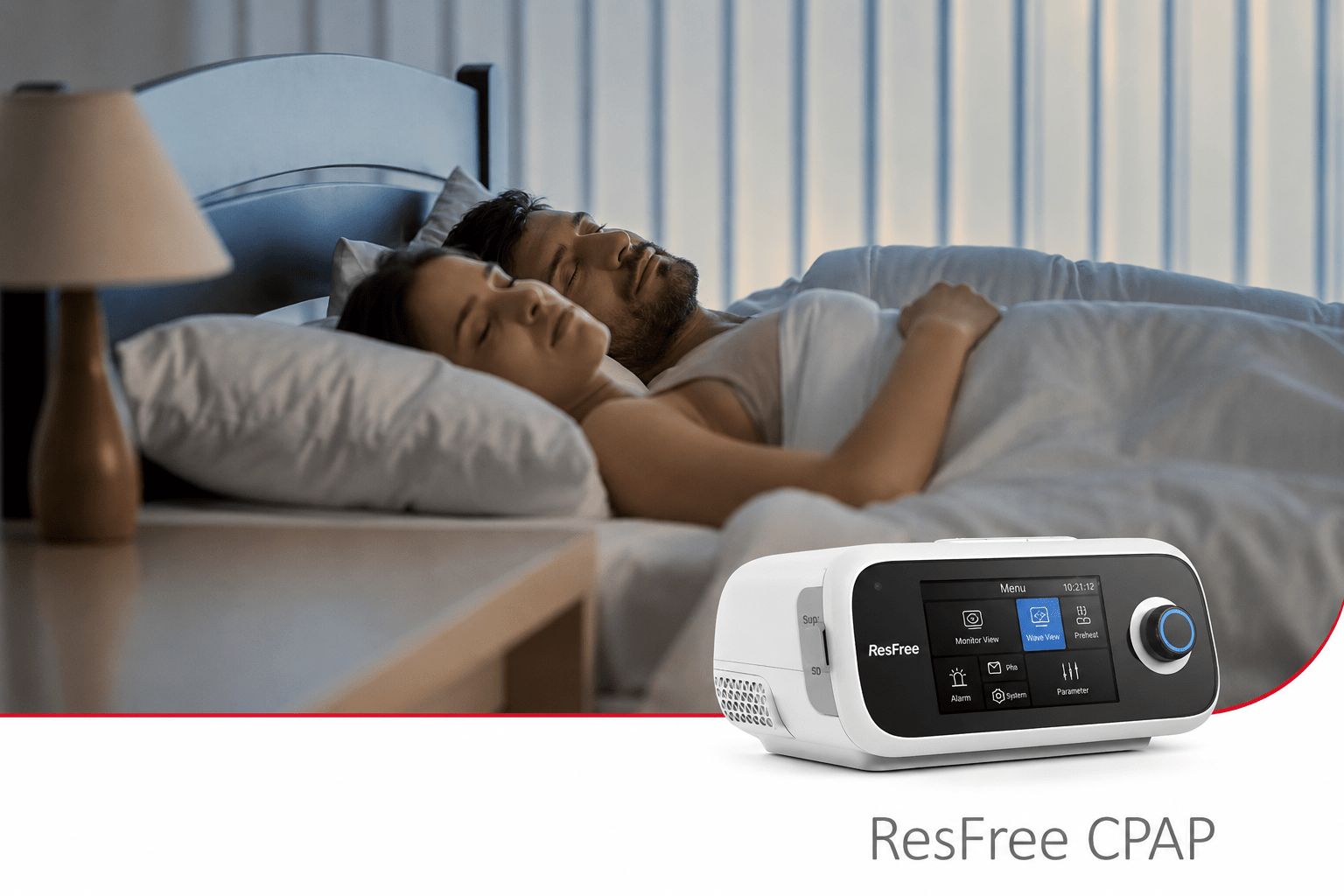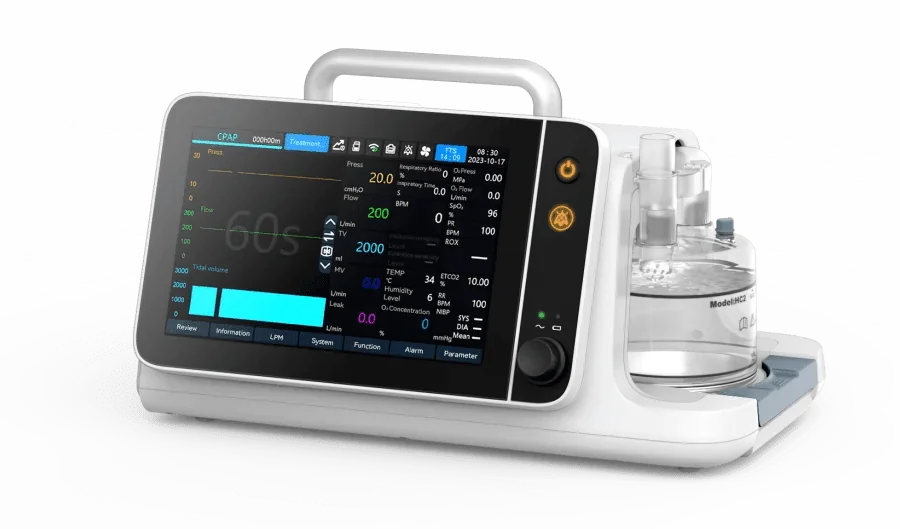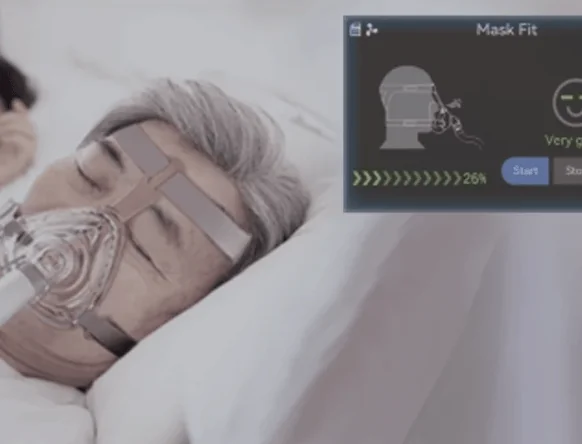
Hospital equipment managers and medical procurement professionals face the persistent challenge of ensuring respiratory hardware remains functional during continuous, high-volume operation. Proper maintenance of non-invasive ventilation systems is not merely a task for technical teams; it is a critical requirement for maintaining patient safety and clinical continuity. By implementing structured care protocols, facilities can extend the operational life of a sensitive cpap device while ensuring that clinical outcomes remain consistent for every patient requiring respiratory support.

Establishing Rigorous Daily Sanitization Protocols
Hygiene is the foundation of respiratory equipment longevity. Medical environments require that all ventilation interfaces and tubing be sanitized frequently to prevent bacterial growth and cross-contamination. Establishing a routine for inspecting air inlet filters, circuits, and other applicable components according to the manufacturer’s instructions can help identify signs of wear or contamination. Proactive cleaning prevents dust accumulation inside the intake mechanisms, which is a common cause of motor strain and overheating in long-term hospital scenarios.
When staff perform these daily checks, they must also ensure the humidifier chambers are drained and dried completely between uses. Staff should use the type and quality of water specified by the manufacturer for the humidifier chamber and follow the applicable cleaning instructions. This disciplined approach to daily care protects the internal components of a bipap device, ensuring that the machine maintains its intended pressure delivery and sensitivity throughout its intensive deployment period.
Scheduling Periodic Preventive Maintenance Cycles
Beyond daily sanitation, formal preventive maintenance schedules are essential to keep equipment within performance specifications. Most manufacturers provide specific guidance on filter replacement intervals and turbine service life. Hospitals should maintain detailed digital logs for every unit, tracking usage hours to predict when sensors need recalibration or when seals require replacement. Relying on these metrics instead of waiting for a machine to fail is a core strategy for resource management.
We recognize that technical durability is paramount for our hospital partners. Hunan Biyang Medical Technology Co., Ltd. is a science, industry, and trade enterprise primarily engaged in the business of medical devices, covering home electronics (home ventilators), medical electronics (medical digital intercom systems), and medical devices (infusion pump series, syringe pump series), integrating equipment research and development, manufacturing, marketing, and service.
Managing Internal Software and Firmware Updates
Modern respiratory technology relies heavily on integrated software to manage complex breath-triggering algorithms. These systems require regular updates to optimize their response to patient-specific breathing patterns. IT departments in healthcare facilities must collaborate with device providers to ensure that firmware is current. These updates often include enhancements to alarm sensitivity and data logging accuracy, which are critical for monitoring patient health during overnight ventilation sessions.
A well-maintained cpap device utilizes these software improvements to remain compatible with clinical telehealth platforms. Ensuring the communication modules are correctly configured allows clinicians to review therapy data remotely, which improves the overall efficiency of patient care. Hospitals that invest time in keeping their device software updated often report fewer technical errors during use, thereby reducing the stress placed on nursing staff and ensuring a smoother experience for the patient.
Training Staff on Proper Handling and Troubleshooting
Human error remains a major factor in the premature failure of medical hardware. Comprehensive training programs for nursing and respiratory therapy staff are mandatory for long-term equipment viability. Personnel should be trained on the correct connection techniques, the importance of avoiding sharp bends in tubing, and the proper procedure for securing devices on carts to prevent accidental drops or liquid spills that could damage sensitive internal circuits.
Using a standardized bipap device across hospital wards simplifies this training process, as staff become proficient with a single interface. When nurses are confident in the operation of the machines, they are better equipped to notice minor operational changes before they develop into major mechanical issues. By fostering an environment where staff are comfortable with the hardware, facilities reduce the rate of avoidable damage and ensure that machines are treated with professional care.
Utilizing Professional Technical Support Networks
Every healthcare facility requires a reliable connection to the original manufacturer for spare parts and specialized technical advice. Attempting to repair complex respiratory hardware with non-certified components or unauthorized technicians often voids warranties and poses significant risks to patient safety. Instead, hospitals should establish service level agreements that guarantee access to original parts and professional diagnostic support whenever a machine deviates from its expected operating performance.
Beyond provides the necessary framework to support our international procurement partners in this regard. By offering dedicated service channels, we help our partners navigate technical questions and supply chain needs effectively. This cooperative relationship ensures that any issues identified by the hospital staff can be addressed with manufacturer-approved solutions, helping maintain equipment performance and reduce avoidable downtime during its intended service period
Conclusion
Effective maintenance of hospital respiratory equipment is an ongoing investment in patient care and operational efficiency. By prioritizing rigorous sanitation, scheduled technical upkeep, and thorough staff training, facilities can significantly extend the lifespan of their respiratory assets. When hospital managers ensure their fleet includes a high-quality bipap device, they create a more stable and predictable environment for clinicians. We remain committed to supporting this mission by delivering robust equipment designed to thrive in demanding, long-term hospital applications through consistent R&D and manufacturing excellence.