Chronic Obstructive Pulmonary Disease (COPD) is a progressive respiratory condition that limits airflow, making breathing increasingly difficult. As this debilitating disease advances, patients require specialized mechanical support to prevent acute respiratory failure. Choosing appropriate breathing machines for COPD is a vital decision that directly impacts ventilation and daily quality of life.
We recognize that a major clinical risk in severe COPD is hypercapnia, a dangerous buildup of carbon dioxide in the bloodstream. Damaged lungs lose natural elasticity, and restricted expiratory airflow prevents the body from clearing these harmful gases effectively. We leverage non-invasive positive pressure ventilation to help the lungs expel trapped gas and restore healthy arterial blood gas levels.
Within professional healthcare environments and homecare settings, providers frequently compare different positive airway pressure modalities to address these respiratory challenges. Selecting between continuous and bilevel pressure systems requires a deep understanding of patient lung mechanics and specific clinical requirements. Our goals at Beyond are to clarify these unique differences, helping medical specialists make highly informed treatment decisions.
Understanding the Standard CPAP Device
We design standard Continuous Positive Airway Pressure (CPAP) devices to deliver a single, constant level of pressurized room air to users. This steady pressure acts as a stable pneumatic splint that keeps the upper respiratory tract open during sleep. To this day, we recognize it remains the gold-standard treatment for patients with obstructive sleep apnea.
We find this continuous airflow highly effective for preventing upper airway collapse and sustaining regular breathing patterns. For patients who only need basic upper airway patency maintenance, this therapy delivers reliable performance and simple operation. However, we observe that its functional effects change significantly for patients living with chronic airflow obstructions.
Since single-pressure devices maintain a fixed pressure level at all times, patients must actively exhale against the ongoing incoming airflow. For those with impaired lung compliance and weak diaphragms, this added resistance substantially increases breathing effort. We understand this physical burden easily leads to severe respiratory muscle fatigue, patient discomfort, and high therapy non-adherence rates.
The Mechanical Advantages of BiPAP Therapy
Bilevel Positive Airway Pressure (BiPAP) ventilation systems were developed to address the limitations of constant expiratory resistance. Unlike a single-pressure CPAP device, a bilevel respiratory system delivers two distinct, synchronized pressure levels. These settings are customized to coordinate smoothly with the natural breathing patterns of the patient.
During inhalation, we deliver elevated pressure levels known as Inspiratory Positive Airway Pressure (IPAP) through our devices. This active mechanical support assists the diaphragm, expands weakened lung tissue, and ensures adequate oxygen intake, directly easing the breathing workload for fatigued respiratory muscles.
During exhalation, our machines automatically adjust to a lower pressure setting called Expiratory Positive Airway Pressure (EPAP). This reduced pressure enables patients to exhale smoothly and fully without resistance from incoming airflow. Clinically, we engineer this precise pressure transition to help patients effectively expel trapped carbon dioxide from their airways.
Comparing Clinical Patient Compliance
We regard long-term patient compliance as a primary factor when we manage progressive respiratory illnesses at home. Many of our patients with severe chronic lung obstruction quickly stop using standard CPAP devices, as they find it exhausting to exhale against constant pressure. We have observed that this early discontinuation of therapy worsens clinical symptoms and triggers frequent emergency hospital readmissions.
We offer BiPAP therapy as a far more comfortable alternative that greatly improves daily therapy compliance for chronic patients. By delivering dual-level pressure support, we reduce physical exhaustion during sleep, allowing overworked respiratory muscles to rest and recover. This enhanced comfort extends therapy usage hours, stabilizes arterial blood gas levels, and improves overall sleep quality.
We follow clinical guidelines that prioritize bilevel positive airway pressure over standard CPAP for hypercapnic respiratory care. While single-pressure devices work well for common sleep disorders, they cannot provide the active ventilation support required for severe lung conditions. We recognize BiPAP as the primary solution for stabilizing gas exchange in chronic respiratory diseases..
Advanced Solutions for Modern Healthcare
As medical manufacturing technologies continue to advance, we recognize that healthcare professionals increasingly demand more precise, highly adaptable home respiratory ventilators. We design our modern devices to deliver consistent therapeutic pressures while automatically adjusting to patients’ spontaneous breathing rhythms. We build this intelligent adaptability into every unit to effectively accommodate the evolving needs of progressive respiratory conditions.
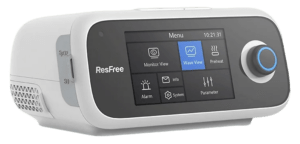
We at Beyond design professional medical ventilators utilizing intelligent algorithms that synchronize perfectly with natural respiratory rhythms. Our advanced ResFree series offers multi-mode therapeutic flexibility, integrating both CPAP and BiPAP ventilation settings. This multi-mode capability allows clinical specialists to adjust treatment parameters dynamically as the patient’s condition evolves.
By combining high-quality engineering standards with reliable real-time tracking, we provide solutions that enhance clinical decision-making. Straightforward user interfaces and stable pressure outputs ensure excellent treatment adherence and minimize emergency interventions. Clinicians can confidently rely on our specialized respiratory therapy systems to optimize long-term patient outcomes in homecare.
Conclusion
We recognize that while standard CPAP devices work exceptionally well for sleep apnea, they are not ideal for chronic COPD management. Addressing advanced airflow obstruction requires a system that actively assists exhalation and effectively resolves carbon dioxide retention. We deliver this critical dual-level support through our BiPAP technology, making it our superior clinical solution for complex respiratory conditions.
At Beyond, we focus on engineering premium, smart respiratory solutions that balance rigorous clinical performance with everyday home comfort. Our mission is to make advanced respiratory therapy safe, reliable, and accessible to clinical partners globally. We invite you to contact Beyond to learn how our customizable systems can elevate your respiratory management services.