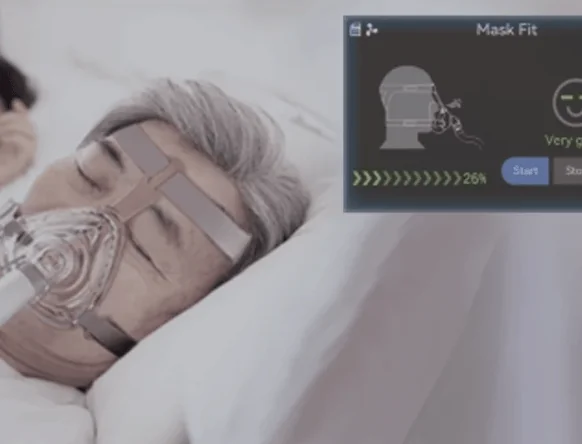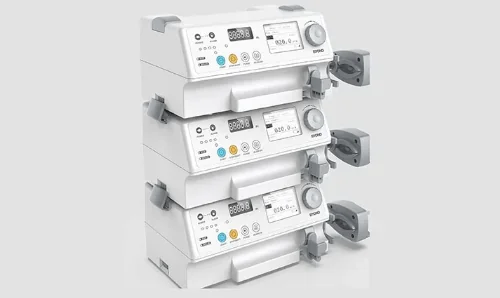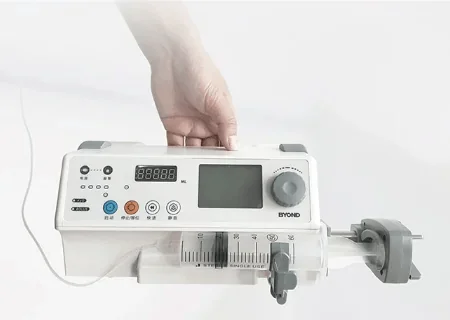
Procuring high-quality ventilators is one of the most critical decisions faced by healthcare administrators today. Managing financial resources while ensuring excellent patient outcomes requires a detailed understanding of the entire equipment lifecycle. Sourcing a high-performing BiPAP medical device involves far more than simply comparing upfront market prices on a standard vendor spreadsheet.
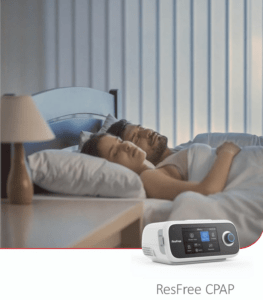
We observe that many medical facilities evaluate ventilation solutions based solely on initial procurement costs. We believe this narrow financial perspective fails to reflect the full economic picture and often leads to unplanned long-term fiscal pressure. These hidden costs typically accumulate through mandatory safety testing, routine maintenance, and frequent component replacements, which steadily raise a facility’s overall operational expenses.
Our mission at Beyond is to help medical specialists navigate these complex purchasing decisions with maximum clarity and confidence. We understand that sustainable healthcare management relies on sourcing durable, highly efficient hardware that minimizes overall lifecycle costs. By analyzing the true split between immediate capital and long-term maintenance expenditures, providers can strategically protect their institutional resources.
Defining CAPEX in Respiratory Equipment Sourcing
We define Capital Expenditure (CAPEX) as the upfront financial investment required to purchase and deploy new medical technology. In intensive care and home therapy scenarios, this covers the initial acquisition cost of devices, including standard hospital ventilators and durable CPAP units. We find this upfront cost is often the most visible and closely evaluated metric in modern medical procurement decisions.
Beyond physical hardware, we include all essential startup expenses under CAPEX to ensure smooth system integration. These auxiliary costs typically cover basic configuration software, full manufacturer warranty coverage, and foundational training for clinical staff. We emphasize proper implementation during this initial stage to guarantee safe, effective, and standardized deployment of all new medical assets.
Although we regard CAPEX as a core consideration for every procurement team, we understand that focusing solely on upfront purchase costs cannot reflect the complete economic picture. The initial investment only marks the start of a device’s full operational lifecycle in clinical environments. To accurately evaluate long-term fiscal budgets, we encourage medical administrators to thoroughly analyze each unit’s ongoing operational costs during active patient treatment.
Unveiling the Hidden Costs of Long-Term Maintenance
Once we successfully deploy a device, we recognize that long-term maintenance requirements ultimately determine its true lifetime economic value. Consistent clinical operation demands regular calibration, rigorous performance testing, and routine software updates to maintain full regulatory compliance. We understand that neglecting mandatory preventive maintenance can shorten device service life and seriously compromise patient safety.
We also identify consumable supplies as a core ongoing expense that our procurement teams must accurately calculate and budget for. Accessories including patient breathing circuits, high-grade air filters, specialized masks, and dedicated humidification chambers require scheduled, regular replacement. Over time, we find these recurring material costs accumulate significantly and often exceed the initial upfront investment of the core device itself.
For heavily utilized assets, including a high-demand CPAP device, the cumulative cost of routine technical servicing is substantial. If a machine utilizes proprietary, complex internal components, the retail price of replacement parts often rises significantly without warning. Consequently, evaluating the long-term market availability and pricing of these specific replacement parts is critical during the initial sourcing phase.
Balancing Performance with Maintenance Efficiency
Selecting highly durable machinery is arguably the most effective strategy to optimize long-term operational expenses. Frequent hardware failures not only lead to high diagnostic repair bills but also cause costly patient downtime across the ward. Purchasing managers must prioritize robust product engineering to safeguard their healthcare institutions from unpredictable technical expenses and workflow disruptions.
At Beyond, we design our advanced home ventilation systems with a strict focus on structural reliability and low-maintenance efficiency. We utilize standardized, high-quality internal components designed to resist heavy wear even under constant daily usage. This deliberate focus on engineering excellence directly helps reduce mandatory technical servicing intervals and lowers lifetime maintenance spending.
By investing in highly reliable systems, we help healthcare providers drastically reduce long-term spending on emergency technical support for every CPAP device throughout its lifecycle. We adopt modular engineering designs to enable fast, straightforward servicing, minimizing equipment downtime and keeping all respiratory device fleets fully operational. Ultimately, we achieve a strategic balance between premium upfront manufacturing quality and simplified operational maintenance, which systematically lowers overall institutional healthcare expenditures.
Total Cost of Ownership as a Strategic Metric
We believe modern medical procurement must move beyond simple upfront price comparisons to formally calculate comprehensive total cost of ownership. This strategic financial metric combines initial CAPEX with all projected maintenance, consumable, and repair costs across a device’s standard lifecycle. We rely on this holistic calculation to help medical facilities make data-driven, long-term infrastructure investments.
When we apply this analytical framework, we consistently find that lower-cost, entry-level CPAP devices carry substantial hidden financial burdens. Frequent technical failures, expensive proprietary accessories, and inadequate manufacturer support quickly eliminate any upfront cost savings. In contrast, we see that a modestly higher initial investment in premium-grade technology delivers significant long-term financial benefits over the device’s service life.
We advocate for a balanced procurement strategy that prioritizes high-performance systems with reasonable CAPEX, predictable operation, and low maintenance demands. This forward-thinking approach ensures clinical teams maintain uninterrupted access to reliable ventilation support, while administrative teams sustain tight financial oversight. By prioritizing total economic value over the lowest upfront procurement price, we help our partners achieve stable, long-term institutional operational success.
Conclusion
Analyzing the complex balance between initial capital expenditure and long-term operating costs is absolutely essential for sustainable medical equipment procurement. Focused attention on both upfront purchase prices and recurring service needs ensures facilities remain fully equipped without suffering from unexpected financial shortfalls. Our objective at Beyond is to engineer respiratory solutions that actively minimize these economic burdens.
We are deeply dedicated to providing our global healthcare partners with premium, highly durable hardware that perfectly balances performance with long-term cost-efficiency. Our advanced ventilation solutions are specifically built to streamline maintenance workflows and deliver consistent therapy year after year. We eagerly invite you to contact Beyond to explore our product offerings and optimize your service efficiency.