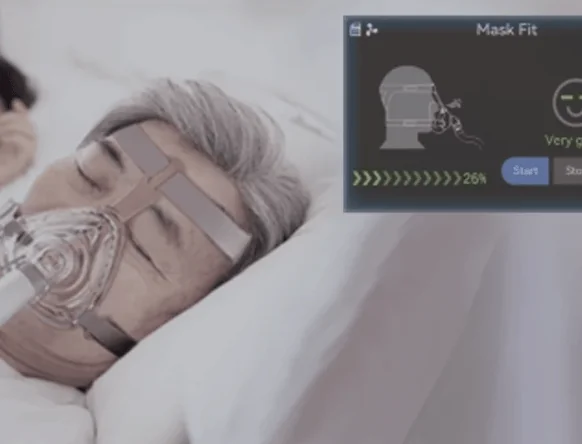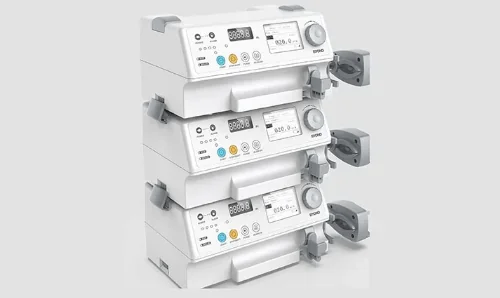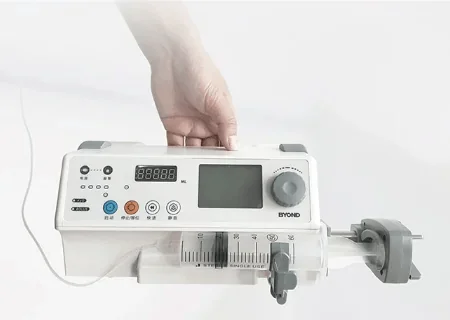
The global healthcare supply chain relies heavily on optimized manufacturing strategies to meet the escalating demand for respiratory therapy equipment. For medical distributors, procuring reliable hardware requires a deep, comprehensive understanding of modern production models. Evaluating Original Equipment Manufacturer (OEM) partnerships is essential when sourcing any advanced BiPAP medical respiratory system for progressive patient care.
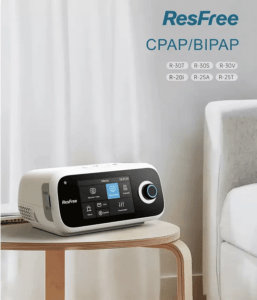
While a standard CPAP device works exceptionally well for simple airway maintenance, progressive pulmonary conditions demand sophisticated hardware. Producing these crucial life-sustaining ventilators involves stringent regulatory compliance, rigorous material sourcing, and precise software engineering. Consequently, many clinical distributors turn to OEM partnerships to safely bypass the immense initial capital required for independent manufacturing.
At Beyond, we possess extensive technical experience navigating the complex landscape of global medical device manufacturing. We recognize that selecting the right production partner dictates both long-term product reliability and overall clinical success. By evaluating the core advantages and potential drawbacks of OEM manufacturing, healthcare procurement teams can make informed purchasing decisions.
Understanding the OEM Manufacturing Model
In our modern medical industry, we define the Original Equipment Manufacturer model as one in which specialized manufacturers produce mechanical hardware that we rebrand and distribute under our own portfolio. We recognize this collaborative manufacturing approach as a widely adopted standard across the global healthcare sector, especially for complex intensive care equipment. This strategy allows our brand to fully focus on local market distribution, clinical sales development, and direct patient support services.
When our distribution partners plan to roll out a new respiratory product line, we advise them to choose between developing proprietary technology from scratch or adopting a mature OEM platform like ours. Building a proprietary CPAP device or advanced bilevel ventilator requires years of dedicated engineering, clinical trials, and stringent regulatory approvals. The OEM model dramatically shortens this traditional timeline by providing a market-ready foundation.
However, not all manufacturing facilities operate with the exact same engineering expertise or strict quality assurance protocols. Understanding the specific technical capabilities of a production facility is critical before committing to any long-term sourcing contract. Buyers must investigate whether the manufacturer simply assembles generic parts or actively drives technological innovation within the industry.
The Advantages of Sourcing OEM Equipment
We believe the greatest operational advantage of an OEM partnership lies in significantly lower upfront capital expenditure and ongoing R&D investment. Developing sophisticated ventilation technology requires professional engineering teams, advanced testing facilities, and automated production lines. By partnering with a mature manufacturer like us, distributors avoid these heavy financial barriers and can redirect resources to expand their local market coverage.
We also deliver a key competitive edge through faster market entry for core respiratory therapy product lines. We already hold complete international certifications and standardized quality control systems for global distribution. With our solid compliance infrastructure, our partner brands can launch life-saving medical devices to local healthcare providers far faster than traditional in-house development cycles allow.
In addition, we provide outstanding production scalability to accommodate unexpected fluctuations in clinical market demand. Our fully equipped manufacturing base enables rapid output expansion during respiratory health surges, while consistently preserving strict product quality and integrity. This flexible, stable supply chain ensures homecare providers always have uninterrupted access to essential mechanical ventilation solutions.
Potential Disadvantages and Quality Control Risks
We recognize that despite tangible financial advantages, the OEM model comes with inherent operational risks, including limited product differentiation and potential technological stagnation. Many manufacturers supply identical internal hardware to numerous competing brands, resulting in generic products with no exclusive clinical features. We understand this widespread market homogenization makes it challenging for distributors to differentiate their offerings in the highly competitive medical device industry.
We also view rigorous quality control as a critical concern when outsourcing life-sustaining medical equipment to external production facilities. When manufacturers prioritize high output volume over precise assembly standards, devices can suffer from inconsistent motor performance and unreliable operation. For any brand distributing CPAP and advanced bilevel systems, we know such hardware inconsistencies directly endanger patient safety and damage brand credibility.
Furthermore, we observe that distributors frequently encounter communication gaps and inadequate technical support when working with transaction-focused manufacturers. Resolving critical software issues or requesting customized hardware modifications becomes inefficient and cumbersome without direct access to professional engineering teams. We advise procurement teams to thoroughly verify that their selected manufacturer delivers responsive, long-term technical support beyond basic product delivery.
Evaluating Technological Innovation and Customization
To mitigate the risks brought by generic manufacturing, we advise distributors to cooperate with manufacturers that keep investing in continuous research and development. As a professional manufacturer ourselves, we do not merely assemble standard spare parts; instead, we independently develop proprietary algorithms and high-precision advanced flow sensors. Our persistent focus on innovation guarantees that all our medical devices can deliver outstanding clinical responsiveness and bring better comfort to patients.
We at Beyond set ourselves apart by integrating robust engineering capabilities directly into our comprehensive manufacturing operations. Having independently engineered our proprietary home ventilators and specialized clinical software, we deeply understand the importance of technological ownership. This engineering depth allows us to offer customizable, clinically superior respiratory solutions rather than off-the-shelf units.
Our state-of-the-art Beyond manufacturing facilities maintain strict adherence to international quality standards, ensuring every single unit performs flawlessly. By maintaining control over design and assembly, we eliminate the traditional vulnerabilities associated with standard outsourced production models. We believe that professional medical manufacturing requires this meticulous balance of production efficiency and rigorous clinical innovation.
Conclusion
We recognize that while the OEM manufacturing model delivers significant cost advantages and accelerates market entry, it also requires prudent strategic management. We actively seek manufacturing partners with transparent quality control systems and a firm commitment to original independent engineering. Whether we source standard CPAP devices or advanced ventilator systems, we understand that manufacturer reliability is the core determinant of stable clinical performance and market success.
Our integrated approach to ongoing research and precision manufacturing ensures our clinical partners always receive durable, innovative technology. We are dedicated to providing global healthcare partners with reliable medical equipment that truly elevates patient care. We invite you to explore our advanced manufacturing capabilities and clinical respiratory solutions by visiting Beyond.