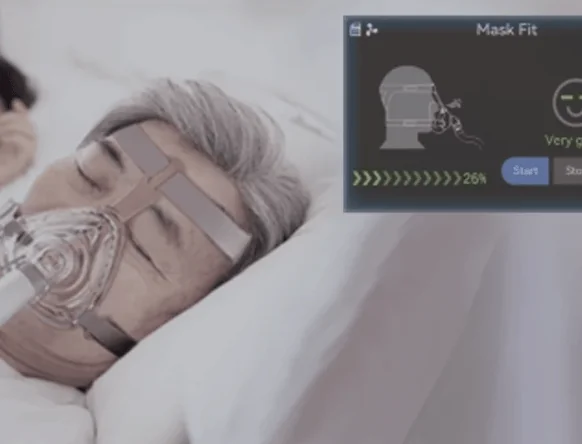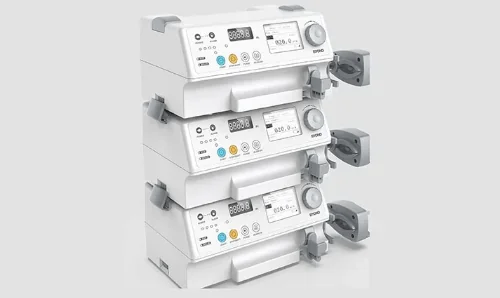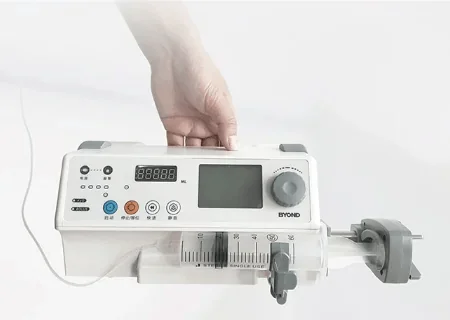
Addressing sleep disorders like obstructive sleep apnea (OSA) requires reliable airway management solutions tailored to the individual. Determining the most appropriate respiratory equipment is essential for achieving recovery and cardiovascular stability. For many patients, transitioning from a basic unit to a targeted BiPAP for OSA therapy directly impacts nightly adherence and blood oxygen maintenance.
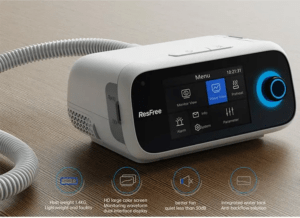
Choosing a reliable CPAP device represents an excellent initial step toward restoring undisturbed sleep and preventing systemic physiological stress. However, clinical professionals must carefully evaluate individual airway mechanics to select the most therapeutic equipment. Some patients naturally struggle with expiratory resistance, leading to physical discomfort and eventual treatment disruption if left unaddressed.
Our dedicated team at Beyond designs premium respiratory solutions that support healthcare providers in customizing therapy for their patients. We understand that effective homecare relies heavily on technology that adapts seamlessly to natural physiological breathing rhythms. Exploring the mechanical differences between pressure systems helps distributors and clinicians optimize their clinical equipment selection.
Understanding Obstructive Sleep Apnea Mechanics
We observe that obstructive sleep apnea develops when throat soft tissues relax during sleep, temporarily blocking the upper airway. This recurring physical obstruction greatly restricts oxygen intake and triggers frequent micro-arousals that disrupt deep sleep cycles. Over time, we find untreated cases result in severe daytime fatigue and substantially elevated risks of chronic cardiovascular complications.
To prevent airway collapse, we utilize non-invasive positive pressure therapy as a stable pneumatic splint to keep the upper airway open throughout sleep. This clinical solution relies on our specialized devices, which deliver pressurized ambient air through flexible tubing and ergonomic patient masks. While CPAP technology is highly effective for maintaining airway patency, we recognize that constant incoming airflow can create breathing difficulties for certain users.
Patients who require higher therapeutic pressure often struggle physically to exhale against continuous pressurized airflow. This expiratory resistance commonly causes discomfort, increased breathing workload, and dry throat symptoms. We prioritize understanding these natural physiological responses to determine whether patients would benefit from our more advanced dual-pressure ventilation alternatives.
How Continuous Positive Airway Pressure Systems Operate
We recognize Continuous Positive Airway Pressure (CPAP) as the foundational, gold-standard therapy for managing moderate to severe sleep apnea worldwide. Our specialized systems deliver a single, preset air pressure level consistently throughout patients’ entire respiratory cycles. This steady, reliable airflow keeps the upper airway fully patent during both inhalation and exhalation.
Clinicians widely recognize that a CPAP device serves as a highly reliable and cost-effective treatment for uncomplicated cases of airway collapse. The inherent simplicity of this delivery method makes it remarkably straightforward to set up, monitor, and maintain in a homecare setting. For the vast majority of patients, this steady pneumatic support is entirely sufficient to eliminate obstructions.
However, we find that higher prescribed therapeutic pressures require patients to sustain continuous abdominal muscle contraction during exhalation. For elderly users or patients with weakened respiratory muscles, this additional workload quickly causes fatigue and often leads to unintentional mask removal during sleep. Under these clinical scenarios, we recognize that a more adaptive technological solution is essential to sustain stable patient therapy compliance.
The Dual-Pressure Alternative of Bilevel Ventilation
We developed Bilevel Positive Airway Pressure technology specifically to resolve the physical discomfort caused by expiratory resistance. Our advanced systems feature two independent, fully synchronized pressure settings, moving beyond the limitations of single-flow devices. This dynamic mechanical adjustment perfectly matches the natural physiological rhythms of inhalation and exhalation, greatly boosting overall patient comfort.
During inhalation, we set our devices to deliver elevated Inspiratory Positive Airway Pressure (IPAP) to actively assist patients’ breathing efforts. As users naturally transition to exhalation, our systems instantly lower the airflow to a reduced Expiratory Positive Airway Pressure (EPAP). This precisely calibrated pressure drop enables patients to exhale with minimal physical exertion.
At Beyond, our professional engineering team integrates high-precision flow sensors to ensure zero latency during all pressure transitions. By perfectly synchronizing with users’ spontaneous breathing patterns, we design our homecare ventilators to effectively reduce the overall work of breathing. This accurate operational coordination eliminates respiratory muscle strain and delivers a highly tolerable, natural therapeutic experience for every patient.
Clinical Criteria for Choosing Between Modalities
We determine the optimal device solution based on each patient’s unique physiological profile and nightly comfort needs. We strongly recommend standard CPAP devices for patients with uncomplicated airway collapse who tolerate continuous airflow well. We recognize it as the most widely prescribed, clinically validated starting point for long-term sleep therapy across global healthcare settings.
On the other hand, we recommend immediate bilevel therapy for patients with complex sleep disorders or those who cannot adapt to single-pressure devices. We also find that patients with overlapping pulmonary conditions benefit greatly from this responsive dual-pressure support. Our advanced bilevel settings ensure effective carbon dioxide clearance while consistently maintaining upper airway patency throughout the entire sleep cycle.
We’ve noticed that patients who feel physically worn out by their prescribed therapy often stop their nightly treatment early. When our patients keep struggling with a CPAP device, we find switching them to a bilevel system can greatly boost their nightly treatment adherence. As healthcare solution providers, we always recommend this switch to help patients avoid giving up therapy and sustain long-term positive respiratory health results.
Conclusion
While a single-pressure machine remains the primary solution for simple airway collapse, bilevel therapy provides vital exhalation relief for complex cases. We at Beyond are dedicated to engineering high-performance respiratory solutions that combine clinical excellence with everyday home comfort. Our multi-mode systems safely empower healthcare teams to manage diverse respiratory conditions with confidence.
We invite you to carefully explore our advanced ventilation technologies and discover how we can help elevate your patient outcomes. Our team remains focused on providing durable, reliable hardware alongside responsive support to streamline your clinical workflows. To learn more about our comprehensive medical products and services, please visit Beyond today.