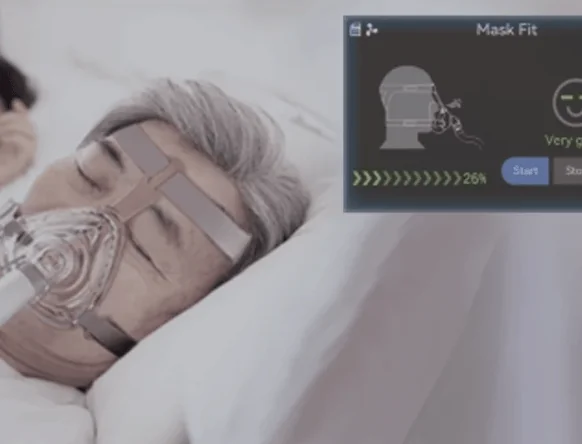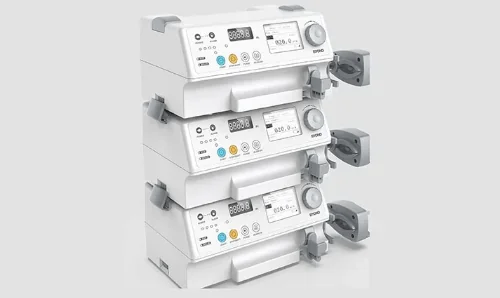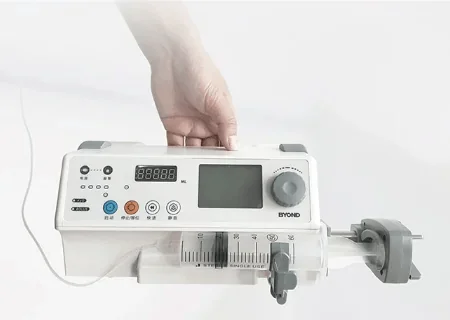
Managing complex respiratory conditions requires robust medical equipment capable of delivering precise, adaptable ventilatory support. Non-invasive positive pressure ventilation has revolutionized how clinicians treat patients experiencing chronic lung failure. When a patient requires advanced mechanical airway management, selecting a high-performing BiPAP device is a critical step toward stabilizing overall respiratory function.
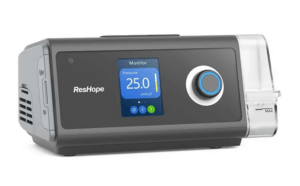
We find that while basic CPAP devices perform well for simple airway collapse, they often fail to meet the treatment needs of progressive pulmonary diseases. We recognize that patients with severe airway obstructions require intelligent systems that actively support their natural breathing cycles. We bridge this critical clinical gap to deliver reliable, effective long-term care outside intensive clinical settings.
At Beyond, we thoroughly understand the intricate mechanical demands of modern respiratory therapy. We engineer advanced ventilation solutions that empower healthcare providers to deliver customized, highly responsive airway support to patients. Exploring the core features and advantages of bilevel ventilation helps medical professionals make informed procurement decisions to optimize overall clinical outcomes.
Dual-Pressure Delivery Mechanisms
We design our bilevel positive airway pressure systems to feature two distinct, fully adjustable pressure settings. This dynamic functionality represents a major upgrade from standard CPAP devices, which only deliver a single, fixed resistance level. By offering dual therapeutic pressures, our bilevel systems closely replicate the natural physiological process of human respiration.
During inhalation, we deploy Inspiratory Positive Airway Pressure (IPAP) through our devices to actively support patients’ breathing efforts. This elevated pressure delivers essential mechanical assistance, ensuring full lung expansion and sufficient oxygen intake while substantially reducing patients’ overall breathing workload during therapy.
During exhalation, our systems intelligently lower pressure to the preset Expiratory Positive Airway Pressure (EPAP). This essential pressure reduction enables patients to exhale smoothly without resisting continuous incoming airflow. We leverage this synchronized two-phase pressure balance to build our comprehensive, fully active ventilation solutions.
Advanced Synchronization Algorithms
We equip our modern respiratory ventilators with sophisticated built-in sensors and intelligent algorithms to monitor patients’ airflow patterns in real time. Our highly sensitive mechanisms instantly detect the precise moment patients initiate a breath, synchronizing pressure delivery perfectly with their spontaneous breathing efforts. This seamless coordination is critical for us to prevent respiratory fatigue and deliver optimal patient comfort throughout therapy.
Unlike a basic CPAP device that maintains a rigid continuous flow, a bilevel system dynamically adapts to changing respiratory rates. The equipment constantly evaluates inspiratory triggers and cycling criteria to determine when to switch between pressure levels. This responsiveness ensures mechanical support never conflicts with the natural rhythm of the diaphragm.
Our engineering team prioritizes highly responsive respiratory technology to meet the rigorous operational demands of professional clinical care. Utilizing precision flow sensors, our advanced homecare ventilators deliver immediate pressure adjustments without noticeable mechanical latency. This advanced technical synchronization guarantees that patients receive comfortable, highly effective, and continuous ventilatory assistance nightly.
Clinical Benefits for Carbon Dioxide Clearance
We commonly see patients living with progressive respiratory conditions, including COPD and other advanced pulmonary disorders, struggle with severe hypercapnia. This critical clinical condition develops when impaired lungs fail to fully exhale, resulting in harmful carbon dioxide buildup. We regard the clearance of this residual alveolar gas as a core clinical goal in advanced chronic pulmonary treatment.
We know conventional continuous CPAP devices cannot actively expel trapped gas, as they fail to generate an effective mechanical pressure gradient. In contrast, our bilevel ventilation creates a targeted therapeutic pressure difference between inhalation and exhalation. This vital pressure gradient substantially increases tidal volume during every breathing cycle.
By sustaining greater air exchange volume, we help patients efficiently eliminate excess carbon dioxide and stabilize arterial blood gas levels. We enable clinical providers to rely on this proven therapeutic mechanism to manage home-based patients with acute respiratory acidosis. This superior gas-exchange performance makes our bilevel technology indispensable for treating complex obstructive pulmonary conditions.
Improving Long-Term Treatment Adherence
We know that consistent nightly patient compliance is the core of long-term successful home respiratory therapy. We find that patients tend to stop their treatment early if they feel fatigued or uncomfortable while using prescribed equipment. Without proper solutions, high therapy dropout rates will inevitably aggravate patients’ pulmonary symptoms and result in more frequent hospital readmissions.
We find that exhaling against the constant resistance of standard CPAP devices is a leading cause of therapy abandonment for patients with weak respiratory muscles. Our bilevel therapy solves this critical problem by automatically switching to a lower expiratory pressure setting. This instant relief reduces muscle fatigue and helps patients achieve restful, uninterrupted sleep.
Our team at Beyond understands that physical comfort directly correlates with increased nightly usage hours and improved overall therapeutic outcomes. When healthcare providers prescribe highly adaptable, patient-friendly equipment, clinical management workflows become significantly more efficient. Prioritizing physiological comfort ensures that chronic patients remain consistently compliant with their prescribed respiratory care regimens.
Conclusion
We leverage advanced bilevel technology to deliver highly sophisticated respiratory support through dual-pressure mechanisms and precision synchronization algorithms. By actively reducing patients’ breathing effort and facilitating carbon dioxide clearance, our advanced ventilation systems significantly improve long-term clinical outcomes and boost overall patient treatment adherence.
Our engineering focus remains resolutely dedicated to creating high-performance respiratory solutions that combine professional clinical rigor with exceptional home comfort. We continuously strive to empower medical care teams to manage progressive pulmonary conditions with complete confidence. We warmly invite you to discover our advanced ventilation technologies and comprehensive services by visiting our official Beyond website.