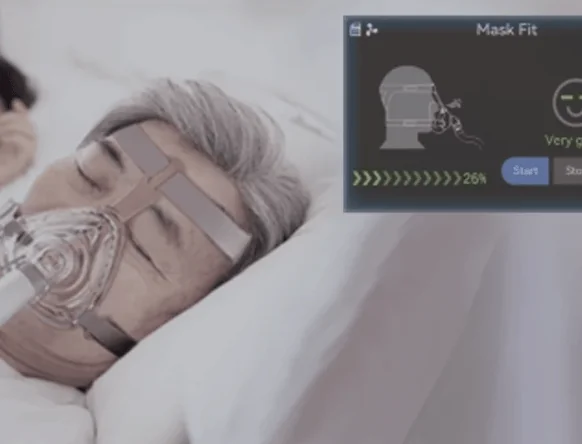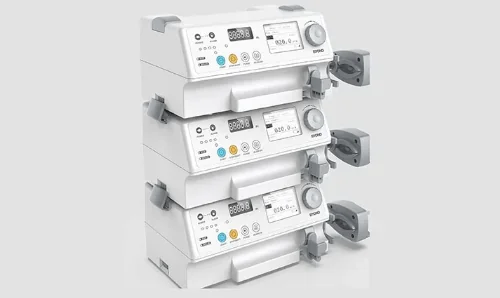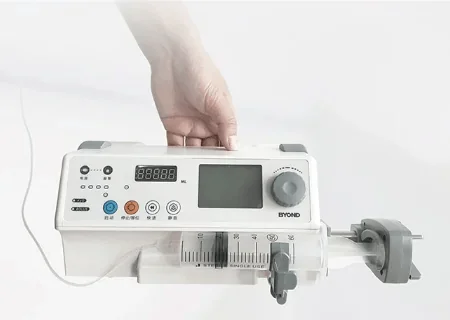
Modern clinical respiratory therapy relies heavily on non-invasive positive pressure ventilation to support patients experiencing compromised lung function. When managing respiratory distress or chronic lung conditions, choosing the right equipment is critical for clinicians looking to stabilize patients. Implementing an advanced BiPAP machine allows healthcare providers to deliver customized airway management that adapts dynamically to individual breathing patterns.
We continue to utilize continuous pressure systems in clinical practice to treat sleep-related upper airway obstructions. While we find standard CPAP devices serve as effective pneumatic splints for obstructive sleep apnea, they only deliver a single, fixed pressure level. For patients struggling with active ventilation and gas exchange disorders, this constant resistance creates significant exhalation fatigue.
We believe that bridging the gap between complex hospital-grade care and home-based therapy requires highly adaptable medical equipment. At Beyond, we recognize that progressive respiratory conditions demand refined, targeted mechanical solutions to secure optimal patient outcomes. By understanding the operating principles of bilevel ventilation, we enable healthcare facilities to make data-driven purchasing decisions that enhance patient compliance and overall therapeutic efficacy.
The Core Mechanism of Dual-Pressure Ventilation
We define the core strength of bilevel positive airway pressure as its ability to deliver two distinct, synchronized pressure levels. This therapeutic mechanism stands in clear contrast to fixed-pressure devices, which maintain uniform resistance throughout the entire breathing cycle. This dual-pressure functionality allows our machines to align perfectly with patients’ natural inhalation and exhalation physiology.
During inhalation, we deliver Inspiratory Positive Airway Pressure (IPAP) through our systems to actively support patients’ respiratory muscle function. This elevated pressure provides mechanical assistance to the diaphragm, enabling full lung expansion and increased fresh air intake. By reducing the physical effort required for inhalation, we effectively lower patients’ overall work of breathing.
During the exhalation phase, our system automatically transitions to a lower Expiratory Positive Airway Pressure (EPAP). This synchronized reduction in airway resistance lets patients exhale smoothly without struggling against incoming pressurized airflow. We rely on this precise, dual-pressure balance to make our technology a true active ventilation solution.
Facilitating Effective Carbon Dioxide Clearance
Many chronic respiratory conditions are complicated by hypercapnia, which is a dangerous buildup of carbon dioxide within the bloodstream. When natural lung compliance is compromised, patients cannot exhale fully, leading to residual alveolar gas becoming trapped within the lower airways. Under these clinical circumstances, a continuous CPAP device cannot provide the active mechanical assistance needed to clear these retained gases.
We design our bilevel systems to solve this challenge by creating a therapeutic pressure gradient between inhalation and exhalation phases. This key pressure differential, which we clinically refer to as pressure support, directly boosts tidal air volume flowing in and out of the lungs. This allows patients to complete deeper, more effective ventilatory cycles that actively eliminate excess carbon dioxide.
By enabling efficient gas exchange, we help normalize patients’ arterial blood gas levels and prevent acute respiratory acidosis. We rely on this mechanism to stabilize hypercapnic patients who require active ventilation assistance rather than basic airway splinting. This targeted therapeutic approach makes our bilevel solutions extremely effective for managing progressive and restrictive pulmonary conditions.
Enhancing Patient Comfort and Treatment Compliance
From our perspective, patient compliance is logically one of the most critical metrics that decide whether our home respiratory therapy delivers successful outcomes. When our patients feel uncomfortable or physically drained during treatment, they tend to stop their prescribed therapy ahead of schedule. We’ve found that standard CPAP devices often see high abandonment rates among patients with weak diaphragms, since exhaling against steady airflow places a heavy physical burden on them.
We design our modern bilevel devices to effectively overcome this barrier by lowering expiratory resistance, delivering a comfortable, natural breathing experience for patients. The automatic transition to EPAP allows users to exhale with minimal physical effort. This immediate reduction in exhalation strain helps us prevent respiratory muscle fatigue and support deeper, more restorative sleep.
We find that enhanced patient comfort directly extends nightly therapy usage and improves long-term treatment adherence. When patients tolerate therapy comfortably, we observe better overall clinical outcomes and a significant drop in acute hospital readmission rates. This superior comfort profile makes our bilevel systems the optimal clinical solution for long-term home-based management of chronic pulmonary diseases.
Clinical Indications for BiPAP Therapy
We recognize that while continuous positive pressure remains our standard solution for uncomplicated sleep disorders, we strongly indicate bilevel therapy for more complex pulmonary conditions. These critical cases include chronic obstructive pulmonary disease, advanced respiratory failure, severe neuromuscular disorders, and hypoventilation syndromes. Since these conditions significantly impair natural lung function, we deliver active mechanical support to help patients maintain adequate oxygenation and effective carbon dioxide clearance.
We consistently select these advanced bilevel systems over basic CPAP devices when treating patients with severely compromised lung compliance. The ability to independently customize IPAP and EPAP settings allows us to tailor therapy precisely to each patient’s unique restrictive or obstructive pathologies. This targeted approach ensures our respiratory support fully matches every patient’s specific physiological needs.
We have purposefully designed portable bilevel ventilators that empower patients with severe chronic conditions to receive professional-grade respiratory support at home. Transitioning these complex hospital therapies directly to the homecare environment completely revolutionizes modern chronic disease management. This shift consistently offers patients a higher quality of life while reducing administrative and clinical burdens on healthcare facilities.
Conclusion
We regard advanced bilevel technology as an essential solution for delivering active ventilatory support in clinical therapy. By adopting dual-pressure operation in our systems, we effectively reduce patients’ breathing burden and improve treatment compliance. With this mechanical advantage, we help healthcare providers easily optimize long-term respiratory care without placing excessive physical strain on patients.
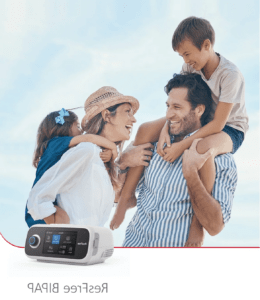
Our focus remains on engineering high-performance solutions that balance clinical rigor with home comfort. The ResFree series empowers care teams to manage progressive pulmonary conditions reliably. We invite you to contact Beyond to discover how our ventilation technologies can elevate your patient outcomes.