Modern pulmonary technology leverages artificial intelligence to transform how clinicians deliver critical breathing support. Operating as a core instrument in intensive care, a medical ventilator continuously interprets physiological signals to adjust pressure and flow dynamically. At Beyond, our engineering team focuses on creating intelligent systems that simplify complex respiratory management while elevating therapeutic precision.
Traditional mechanical ventilation often required constant manual recalibration by clinical staff to handle subtle changes in patient respiratory mechanics. Modern artificial intelligence algorithms process real-time airway resistance and lung compliance data to optimize breath delivery automatically. This automated responsiveness stabilizes gas exchange without placing excessive physical stress on delicate pulmonary structures.
Integrating Artificial Intelligence into Respiratory Therapy
Modern respiratory platforms utilize sophisticated machine learning algorithms to evaluate patient breathing patterns in real time. Continuous data analysis allows these systems to distinguish between spontaneous breaths, artificial triggers, and sudden movement artifacts. By processing waveform dynamics instantly, the equipment adjusts delivery parameters to match the patient’s natural breathing rhythm.
Automated adaptation minimizes patient-ventilator dyssynchrony, which remains a primary cause of patient discomfort and prolonged ventilation stays. Going far beyond a legacy single-mode CPAP unit, an advanced auto CPAP machine built for clinical use manages inspiratory flow rates dynamically to maintain optimal lung aeration throughout acute treatment phases. These technological advancements enable medical personnel to focus on overall clinical management rather than frequent parameter adjustments.
Adaptive Pressure Regulation and Patient Synchronization
Dynamic pressure delivery relies on continuous feedback loops that track breath-by-breath changes in patient effort. Operating well beyond the scope of a consumer sleep-therapy unit, a hospital-grade auto CPAP machine handles severe respiratory distress across shifting therapeutic modalities. Microprocessor-driven control systems adjust delivery pressures within the same breath cycle to prevent airway trauma and alveolar collapse.
Precise synchronization between human effort and mechanical support preserves respiratory muscle strength during weaning phases. Automated flow adjustments prevent sudden pressure spikes, creating a smoother respiratory cycle. Maintaining natural breathing dynamics supports faster recovery and reduces the duration of intensive support.
Dual-Source Oxygen Architecture in Clinical Settings
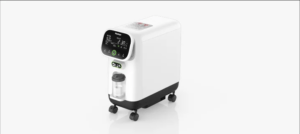
Oxygen supply infrastructure varies widely across different hospital departments and emergency care settings. Modern clinical devices accommodate both high-pressure central wall oxygen systems and low-pressure concentrators within a single platform. Integrating these options into a medical ventilator allows care teams to deploy therapy seamlessly across intensive care units and step-down wards.
Accepting diverse oxygen inputs removes technical barriers during patient transport or sudden facility transitions. Integrated blending mechanisms regulate fractional oxygen concentration accurately without requiring external hardware attachments. Having dual-mode source compatibility supports continuous therapeutic delivery regardless of clinical infrastructure constraints.
Streamlining Bedside Setup with Built-In Modules
Cluttered clinical environments can impair fast emergency responses and increase operational complexity for intensive care nurses. Integrating key components directly into the main device architecture creates a clean and organized bed space around vulnerable patients. At Beyond, we design platforms featuring an internal oxygen blending module and heated humidifier to consolidate critical functionality.
Consolidating these vital systems into one unit removes the need for external flowmeters or secondary humidification hardware. Internalizing gas conditioning maintains precise temperature and moisture control throughout the delivery circuit. Protecting mucosal surfaces while maintaining tidy bedside setups enhances both patient safety and clinical efficiency.
Advanced Proximal Pressure Sensing for Enhanced Accuracy
Measuring airway pressure directly at the patient interface provides far greater accuracy than internal device measurements. Proximal pressure sensing monitors actual delivered pressure right at the mask or tube, accounting for circuit compliance and tube resistance. Real-time feedback verifies that prescribed pressure levels reach the lungs accurately despite circuit length or patient movement.
Compensating for minor circuit leaks prevents inadvertent drops in therapeutic pressure during positive pressure ventilation. Operating effectively in a bipap hospital environment requires this level of precise monitoring to maintain adequate tidal volume delivery. Precise proximal feedback helps clinicians deliver tailored respiratory assistance tailored to individual lung compliance.
Intelligent Alarm Systems and Voice Notifications
Emergency response times in busy hospital wards depend heavily on clear, actionable device alerts. Modern respiratory platforms feature proximal pressure sensing & voice alarms that instantly notify staff of critical changes in circuit integrity or patient status. Spoken notifications reduce cognitive load by clearly stating the issue rather than relying solely on ambiguous sound frequencies.
Differentiating between minor transient fluctuations and urgent clinical events prevents alarm fatigue among nursing staff. Clear visual displays accompany audible warnings, providing immediate context regarding volume losses or pressure drops. Prioritizing critical alerts enhances patient safety while streamlining emergency interventions across high-acuity wards.
Flexible Adaptability Across Diverse Healthcare Environments
Versatile respiratory equipment must perform reliably across emergency rooms, intensive care units, and post-operative recovery spaces. Multi-mode functionality allows care teams to transition smoothly from non-invasive positive pressure to high-flow oxygenation. Adapting to various clinical environments makes unified hardware a valuable asset for modern healthcare institutions.
Standardizing equipment across clinical departments simplifies staff training and lowers device maintenance overhead. A multi-functional medical ventilator provides reliable support across fluctuating patient acuity levels, from acute respiratory failure to gradual weaning. Consistent operational logic across departments minimizes user errors during high-stress emergency procedures.
Improving Clinical Workflows and Patient Safety
Optimizing clinical workflows requires minimizing time spent assembling separate components and adjusting manual controls. Modern platforms streamline daily routine tasks by integrating therapeutic modes, oxygen blending, and gas conditioning into unified hardware. A versatile auto CPAP machine or clinical ventilator platform supports clinical efficiency by providing automated titrations during treatment.
Reducing manual setup steps lowers overall maintenance requirements and equipment procurement expenses. Centralized monitoring interfaces present critical trend data clearly, aiding medical teams during daily clinical evaluations. Streamlined equipment design allows healthcare providers to dedicate more focus to direct patient care and recovery.
Conclusion
Advancements in artificial intelligence and integrated hardware modules continue to redefine modern clinical respiratory care. By combining proximal sensing, dual oxygen sources, and intelligent automated controls, modern devices deliver precise, adaptable support across complex healthcare settings. Our dedicated team at Beyond remains committed to advancing respiratory technology to enhance clinical workflows and support patient healing worldwide.