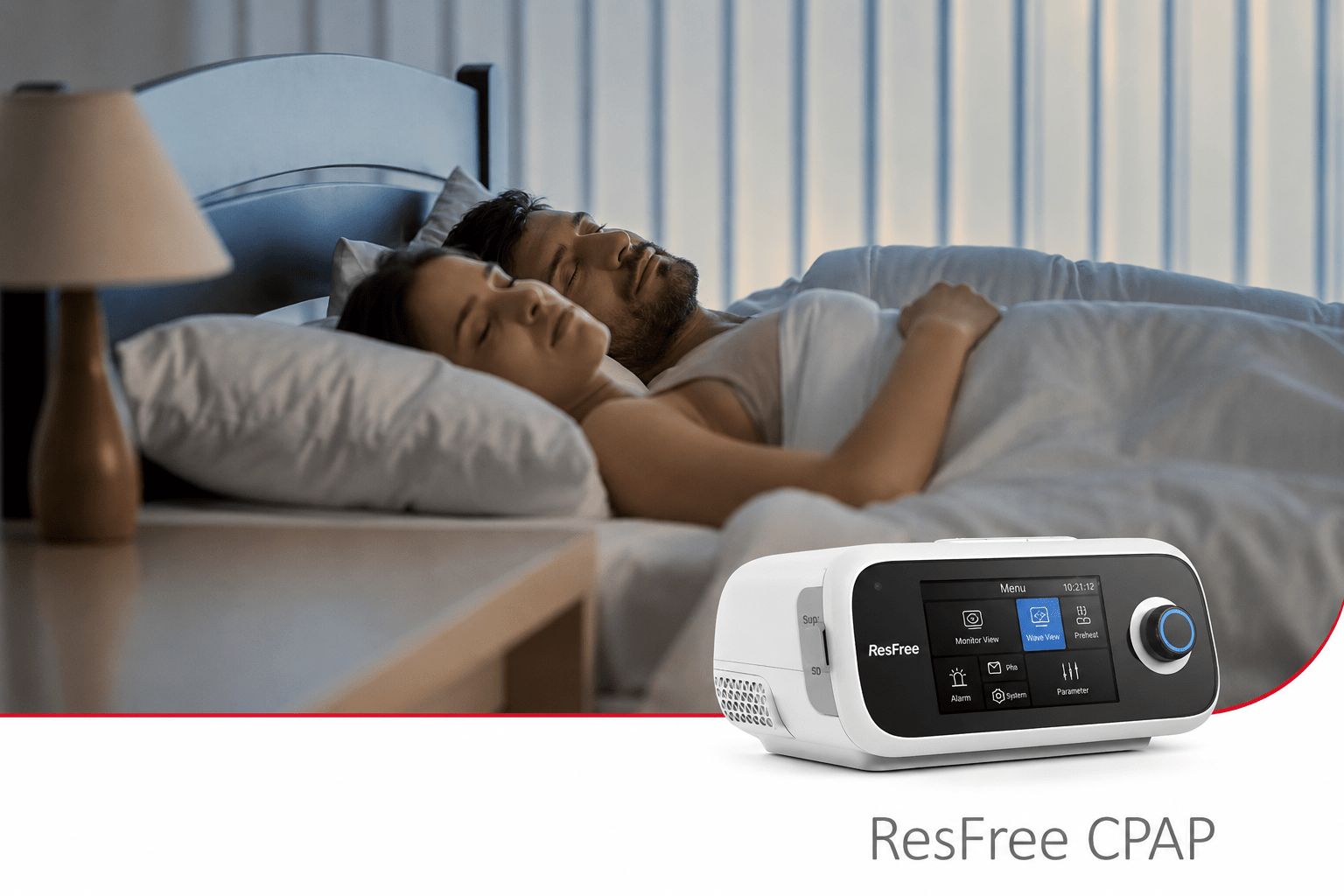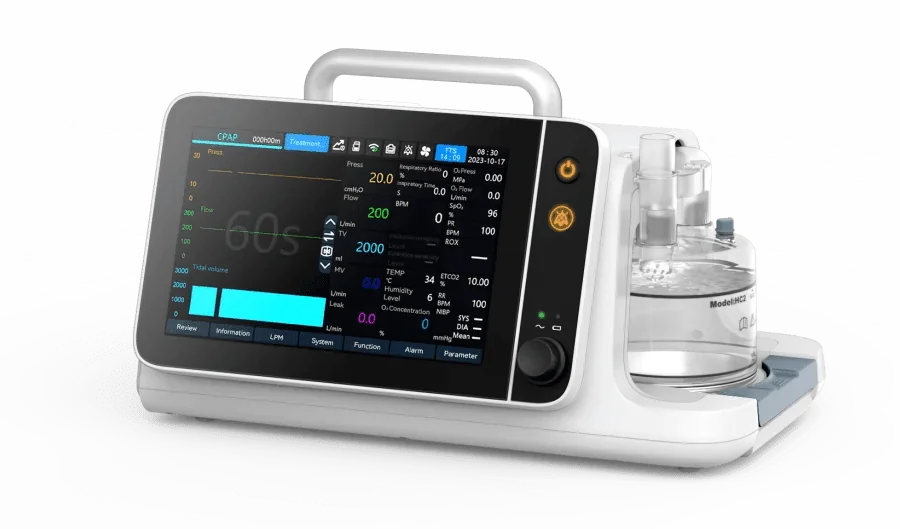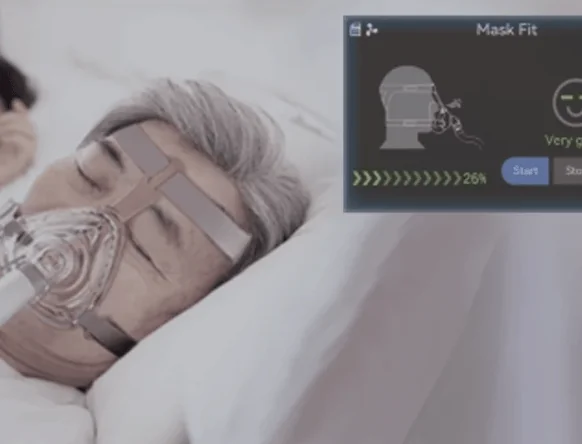
Maintaining an efficient respiratory care department requires periodic assessment of respiratory support equipment to ensure patient safety and operational excellence. As clinical demands shift, facility managers often face the dilemma of repair versus replacement regarding their existing respiratory assets. Recognizing the physical and functional markers of aging equipment helps procurement departments plan effectively, ensuring that every medical ventilator bipap remains capable of delivering high-quality, reliable support for patients with chronic respiratory failure.
Excessive Maintenance and Unscheduled Downtime
The first sign that a BiPAP hospital facility requires new equipment is the frequency of unscheduled service interruptions. When technical staff spend excessive hours troubleshooting hardware failures or sourcing discontinued parts, the focus shifts away from patient care. Constant repairs signify that the internal components are reaching the end of their operational lifespan, making it difficult to maintain the consistent pressure delivery necessary for effective non-invasive ventilation therapy.
Proactive assessment of your hospital fleet performance remains vital. When original manufacturers stop supporting specific models, the difficulty of obtaining certified spare parts increases maintenance costs significantly. Replacing aging units with modern, supported platforms can help reduce the risk of prolonged downtime and ensures that your clinical team can count on the equipment when patients require urgent assistance. This strategic move preserves resources and limits the budget strain caused by emergency repairs.
Incompatibility with Digital Health Records
Modern healthcare environments rely on the seamless flow of patient data to electronic health records. Older ventilation hardware often lacks the sophisticated connectivity required for real-time monitoring and data logging. If your staff must manually transcribe settings or patient compliance logs, the risk of clerical error rises. Some newer devices provide wireless connectivity and digital data-management capabilities, allowing clinicians to monitor trends and adjust settings with greater precision and speed.
Integrating current technology facilitates better patient management. The ability to export therapy data can help respiratory therapists review ventilation information and make informed treatment decisions and make informed adjustments to therapeutic pressure levels. When a medical ventilator bipap system fails to support these modern digital workflows, it hinders the ability of the care team to provide proactive adjustments, potentially resulting in suboptimal outcomes for patients relying on long-term home or clinical respiratory assistance.
Lack of Advanced Patient Comfort Features
Patient compliance is the cornerstone of effective non-invasive respiratory therapy. Older machines frequently lack advanced comfort features, such as breath-by-breath pressure synchronization or ramp-up functions that accommodate sensitive patients. As clinical standards evolve, patient expectations for comfort rise; equipment that causes discomfort or noise disturbances often results in lower usage rates. Upgrading can provide access to newer ergonomic designs and quieter operating technologies for their recovery.
Hunan Biyang Medical Technology Co., Ltd. is a science, industry, and trade enterprise primarily engaged in the business of medical devices, covering home electronics (home ventilators), medical electronics (medical digital intercom systems), and medical devices (infusion pump series, syringe pump series), integrating equipment research and development, manufacturing, marketing, and service.
Failure to Meet Current Regulatory Standards
Medical equipment regulations are subject to constant updates to improve patient safety. Older units might not meet the latest standards regarding alarm management, infection control materials, or electromagnetic compatibility. If a facility continues to use hardware that falls behind current safety benchmarks, it creates significant legal and operational risks. Moving to modern equipment ensures that all devices adhere to strict international safety protocols for clinical respiratory care.
Beyond this, new hardware provides improved anti-contamination features. Advanced filters and easy-to-clean interfaces minimize the risk of cross-contamination in busy wards. Facilities that prioritize these updates demonstrate a commitment to patient hygiene and professional standards. By ensuring that your hospital inventory follows contemporary safety guidelines, you protect your staff and patients while future-proofing your department against sudden changes in medical device legislation or accreditation requirements.
Inefficient Workflow for Clinical Staff
Equipment that is difficult to configure or monitor adds unnecessary stress to nursing teams. Older machines often feature complex, non-intuitive interfaces that require time-consuming setup for each patient. Conversely, modern respiratory solutions focus on rapid deployment and easy parameter visibility. When staff can configure a device within seconds, they have more capacity to engage directly with patient needs rather than navigating hardware menus.
Beyond, we emphasize the importance of human-centric engineering in every respiratory device we develop. Efficiency is not just about speed; it is about providing the right information to the caregiver at the right time. When hardware is designed to simplify clinical workflows, the entire department experiences a reduction in burnout. Replacing legacy units with streamlined systems creates a more productive environment where technology serves the practitioner, not the other way around.
Ensuring Sustained Respiratory Care Excellence
The transition to updated technology is a strategic investment in the future of any medical facility. When a medical ventilator bipap fleet is modernized, the result is improved patient tolerance, more reliable data, and better integration with overall facility management systems. Proactive management of your hardware life cycle avoids the pitfalls of sudden failure and helps your facility maintain reliable respiratory support services for all patients.
As we continue to support healthcare providers, our focus remains on delivering reliable, compliant, and efficient respiratory solutions. Regularly reviewing your equipment inventory allows for a structured replacement plan that optimizes capital expenditure. By replacing obsolete machinery with current-generation technology, healthcare providers secure the functional advantages needed to provide consistent care. This approach keeps your hospital resilient, compliant, and prepared for the evolving demands of modern medicine.