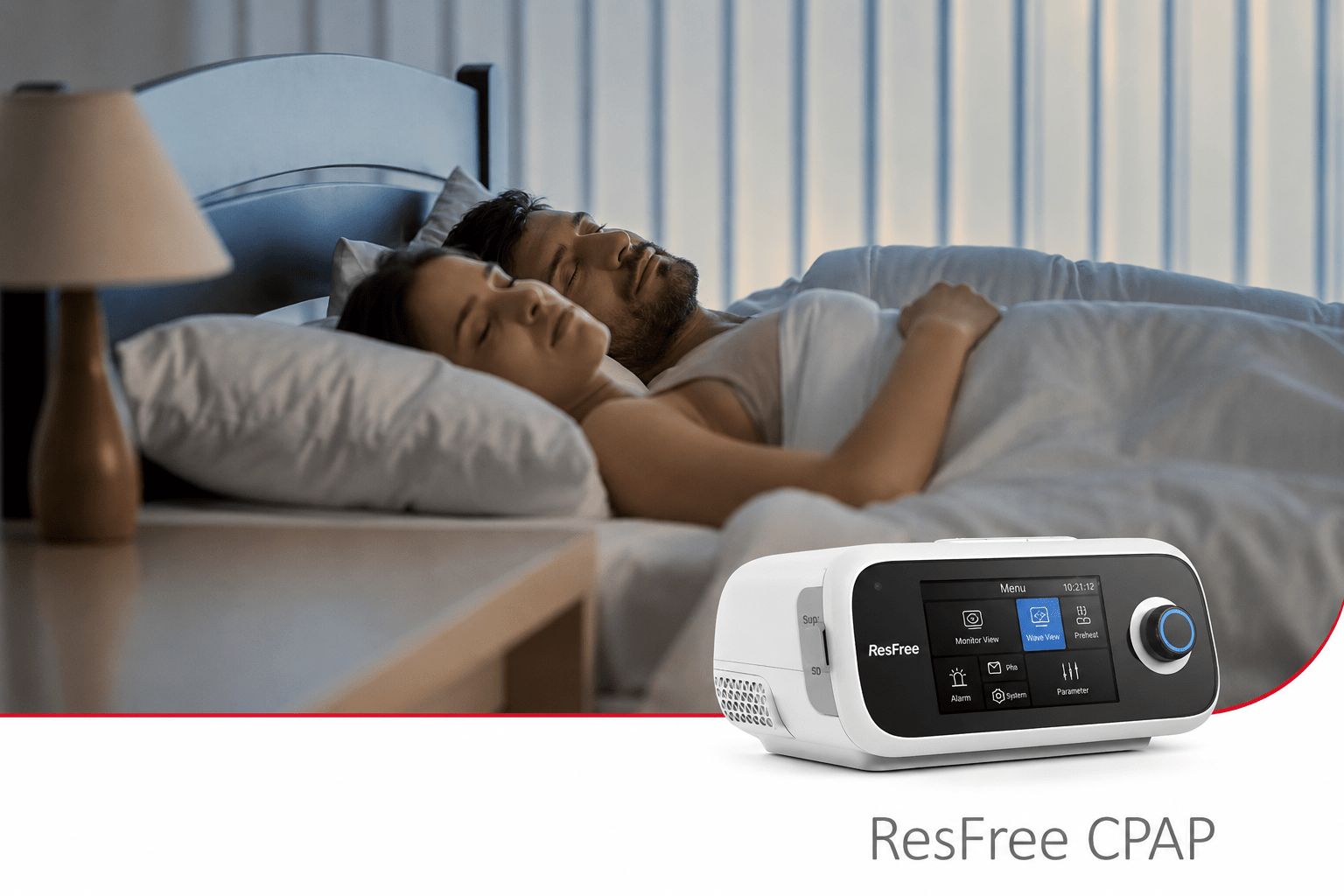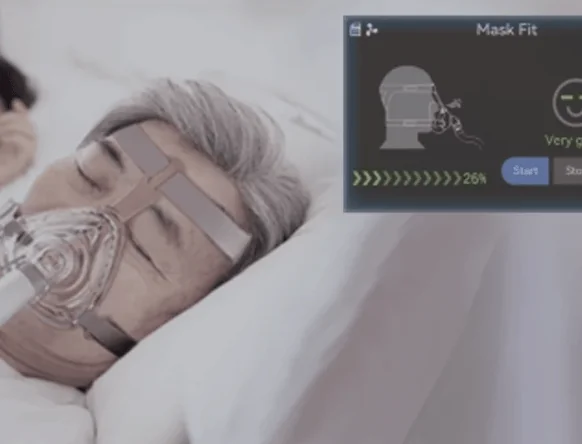
Respiratory care continues to evolve through rapid advancements in medical engineering, focusing on patient comfort and clinical precision. Modern ventilation therapy demands hardware that adapts to individual physiological responses rather than relying on static settings. As we observe the development of non-invasive ventilation, the integration of smart sensors and advanced algorithms suggests a shift toward more personalized therapy, which significantly enhances compliance and improves overall patient outcomes for those suffering from chronic respiratory conditions.
Enhancing User Compliance Through Connectivity
The next generation of respiratory equipment emphasizes connectivity as a core component of daily management. Connected respiratory devices can increasingly support data transmission between the home environment and clinical platforms, allowing healthcare providers to review therapy information remotely where these features are available. This remote monitoring capability ensures that adjustments to therapy occur promptly, preventing potential issues before they become critical. Many practitioners now view the standard cpap device as a foundational tool that is being rapidly upgraded with these digital features.
Data-driven therapy offers more than just convenience; it provides deep insights into patient habits and health trends. When we incorporate cloud-based analytics, clinicians gain a comprehensive view of how patients respond to various pressure settings throughout the night. This visibility can provide clinicians with additional information to support therapy assessment and titration as a patient’s condition changes over time, ultimately fostering a stronger partnership between the patient and their care team.
Precision Engineering in a New Bipap Machine
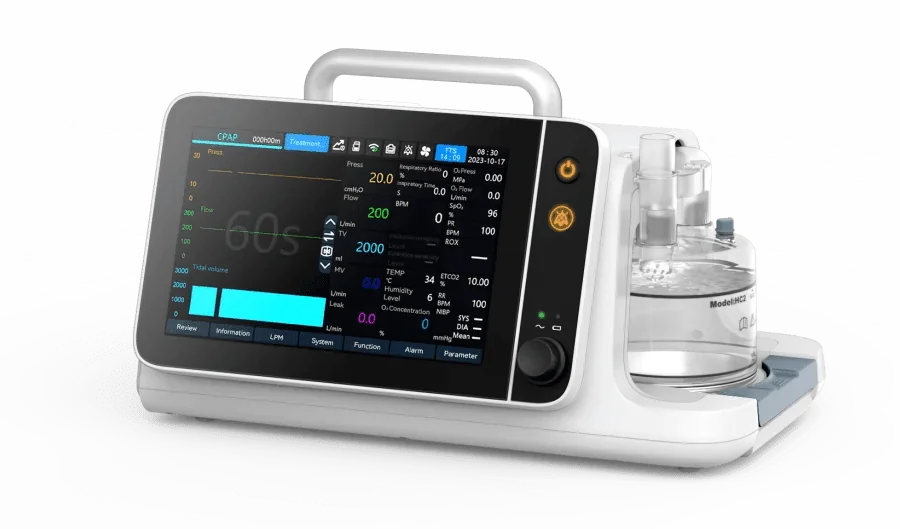
Engineering focus has shifted toward creating hardware that mimics natural breathing patterns with high fidelity. A new bipap machine must now offer rapid pressure response times to ensure that patients do not fight against the airflow during inhalation. By utilizing sophisticated flow sensors, these systems detect the exact moment a patient initiates a breath, delivering pressure support instantaneously. This responsiveness reduces the physical effort required for breathing, particularly for those with weakened respiratory muscles.
Beyond prioritizes these engineering breakthroughs to ensure our hardware remains at the edge of medical reliability. Our focus remains on minimizing device noise and bulk while increasing the power and battery life of portable units. By refining the mechanical architecture of internal blowers, we provide quieter, more efficient solutions that allow for better sleep hygiene. This attention to detail demonstrates our dedication to improving the physical interface between the patient and the ventilation system.
AI-Driven Adaptive Pressure Algorithms
Artificial intelligence is becoming integral to the functionality of modern respiratory support equipment. Future iterations may increasingly incorporate machine learning to analyze breathing patterns and identify changes associated with respiratory events. By analyzing historical breathing patterns, these devices can adjust pressures proactively, maintaining an open airway with minimal disturbance to the patient. This represents a significant leap from traditional reactive systems that only adjust after an obstruction has already occurred.
Integrating smart algorithms into a new bipap machine requires a robust foundation of research and development. Our engineering teams at Hunan Biyang Medical Technology Co., Ltd. are a science, industry, and trade enterprise primarily engaged in the business of medical devices, covering home electronics (home ventilators), medical electronics (medical digital intercom systems), and medical devices (infusion pump series, syringe pump series), integrating equipment research and development, manufacturing, marketing, and service. This breadth of experience allows us to build intelligent, responsive systems that prioritize safety and clinical efficiency.
Portable Power and Durability Improvements
Portability remains a major requirement for patients who maintain active lifestyles while using ventilation therapy. Recent innovations focus on reducing the weight of internal components without sacrificing the performance or longevity of the motor. Lightweight materials and high-density battery technologies now allow for long-duration use away from fixed power outlets, offering patients greater freedom and confidence. These advancements are essential for the next phase of home-based respiratory care.
Reliability in portable systems is non-negotiable for medical service providers. When designing for the field, we ensure that every unit undergoes rigorous testing to withstand daily use. Such durability ensures that patients can rely on their equipment during travel or emergency situations, maintaining consistent therapy regardless of their location.
Future Trends in Patient-Centric Design
Looking ahead, the focus of ventilation technology will likely shift toward extreme personalization and non-intrusive form factors. We expect to see more compact interfaces that prioritize user comfort and minimize skin irritation. As manufacturers move toward more biocompatible materials and ergonomic designs, the acceptance of long-term therapy will likely increase. This transition represents a broader trend of making medical technology feel less like a clinical burden and more like a seamless part of daily life.
As Beyond continues to monitor these industry shifts, our goal remains clear: to provide tools that simplify respiratory management. Whether it is through hardware miniaturization or software improvements, we aim to offer solutions that align with the needs of modern healthcare. By investing in the intersection of patient feedback and technical innovation, we contribute to a future where high-quality respiratory support is accessible, effective, and intuitive for users everywhere.
Final Perspectives on Respiratory Technology
The future of respiratory support depends on the successful marriage of hardware endurance and software intelligence. While a basic cpap device serves as a vital entry point, the industry is clearly moving toward more complex, bilevel systems that provide dynamic support. By staying informed about these technological shifts, medical professionals can better advise their patients on the right equipment for their specific clinical needs, ensuring better long-term health outcomes.
Innovation must always be measured against the standard of patient safety and ease of use. As we refine our offerings, we maintain a strict focus on providing solutions that solve real-world clinical pain points. Through consistent improvement, we help ensure that the medical community has access to stable, accurate, and powerful tools that enhance the quality of life for patients globally. Our commitment to this field remains steady as we prepare for the next generation of medical technology.