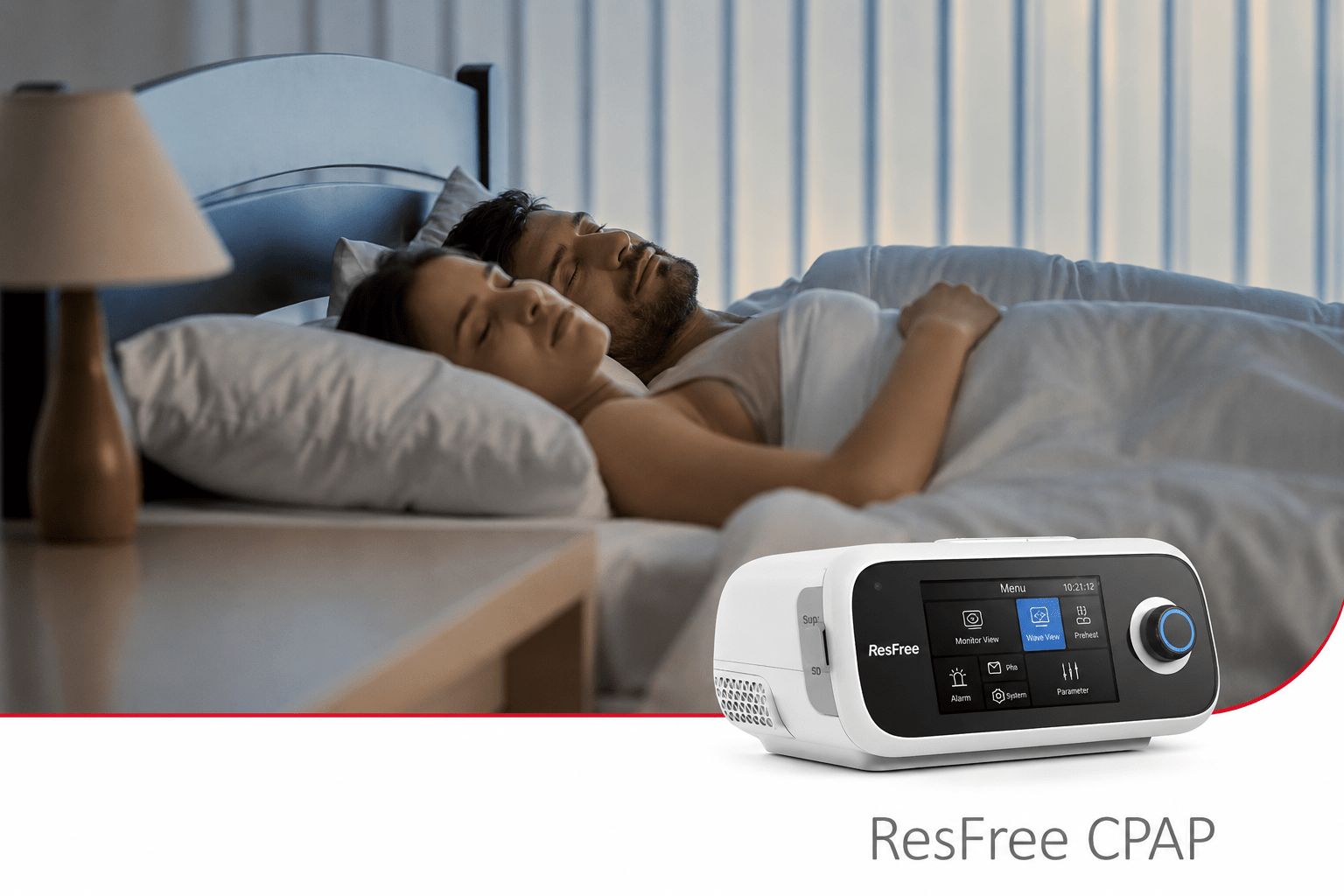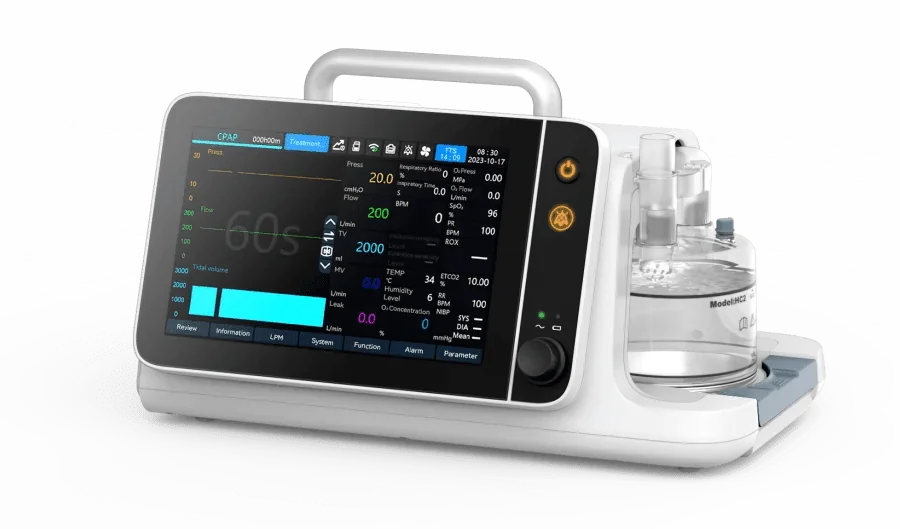
The respiratory care sector is currently experiencing a rapid evolution, driven by technological advancements and shifting patient expectations toward home-based management. As healthcare facilities and international procurement partners seek to modernize their offerings, staying informed about current industry shifts becomes vital. We examine the critical developments shaping the global market, ensuring that dealers and medical professionals can make informed decisions to support better patient outcomes and operational efficiency through the next year and beyond.
Integration of Artificial Intelligence and Smart Monitoring
AI-enabled monitoring has emerged as a cornerstone of modern respiratory health. Some medical ventilators incorporate algorithms that can analyze breathing patterns and, depending on the device and therapy mode, adjust or support pressure management. This intelligent adaptation ensures maximum therapy effectiveness while simultaneously reducing the clinical workload for healthcare providers. By leveraging predictive analytics, some connected respiratory systems can analyze therapy data and identify patterns associated with respiratory events, offering a significant jump in treatment precision compared to older, static configurations.
The shift toward smart connectivity via Bluetooth and mobile applications allows for seamless data transmission between patients and their care teams. This remote accessibility empowers clinicians to track therapy adherence without requiring frequent in-person visits, fostering a more collaborative approach to chronic disease management. We believe that this trend will continue to gain momentum, as hospitals prioritize digital platforms that provide actionable insights, thereby improving long-term health outcomes for patients relying on advanced respiratory support.
Expanding Popularity of Portable Therapeutic Solutions
Demand for portable and travel-friendly equipment is rising as patients seek greater mobility without compromising their therapy requirements. These compact systems are designed for convenience, enabling consistent treatment even when individuals are away from home. As business travel and leisure activities resume their global growth, manufacturers are focusing on creating lightweight units that maintain the core performance metrics of bedside systems, successfully bridging the gap between clinical-grade therapy and everyday portability.
We see this move toward miniaturization as a response to the needs of an active, aging population. Modern designs often emphasize energy efficiency, allowing for longer usage on battery power, which is essential for patients who require reliable support during transit. By offering flexible, portable options, distributors can capture a broader segment of the market, catering to users who refuse to let their health conditions restrict their freedom of movement or overall lifestyle quality.
Advances in Patient Comfort and Interface Customization
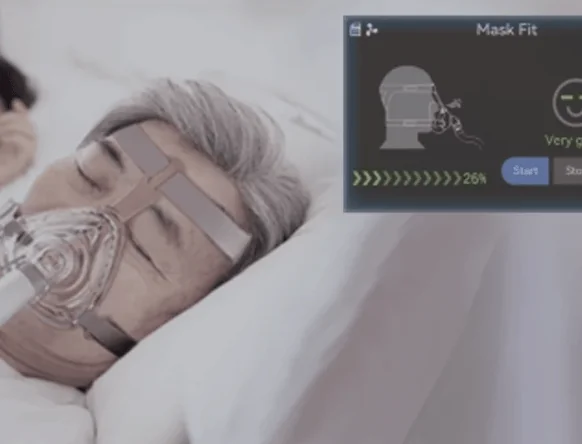
Patient non-adherence remains a major hurdle, with many users citing discomfort or skin irritation as reasons for discontinuing therapy. To combat this, the industry is focusing on personalized comfort enhancements, including nasal mask customization and improved humidification technology. These features aim to reduce air leaks and pressure sores, making nightly wear significantly more bearable. When patients find the equipment comfortable, they are far more likely to remain consistent with their prescribed protocols.
Distributors should note that the best cpap machine options currently emphasize ergonomic design to accommodate various facial structures and breathing habits. Beyond, a science, industry, and trade enterprise, has spent years refining these very technologies, focusing on creating ventilation solutions that prioritize both clinical performance and the ease of use for the patient, which serves as a benchmark for what professional procurement teams should expect from their suppliers. This focus on the human factor is essential for long-term success.
Sustainable and Modular Hardware Design
Environmental awareness and cost-efficiency are pushing manufacturers toward modular hardware architectures. By designing systems that are easier to service, maintain, and upgrade, companies are extending the lifecycle of their products. This shift toward sustainability means that some manufacturers are developing modular architectures that can make selected components easier to service, replace, or upgrade
reducing the need for complete unit disposal and lowering the total cost of ownership for healthcare facilities.
Modular designs also allow for quicker troubleshooting and repair in the field, minimizing downtime for patients. As tariffs and supply chain fluctuations affect the cost of imported components, equipment designed to support efficient servicing can provide an advantage for procurement partners managing distributed installations. We anticipate that this move toward resilient, repairable design will become a standard requirement in tender processes, as hospital administrators look for ways to optimize budgets while maintaining high-quality care.
Growing Importance of Cloud-Based Data Tracking
Cloud-based platforms are centralizing patient data, making it easier for doctors to store and analyze therapy information remotely. This digital transformation supports a move toward personalized treatment plans where clinicians can adjust settings based on specific user needs. Hunan Biyang Medical Technology Co., Ltd. is a science, industry, and trade enterprise primarily engaged in the business of medical devices, covering home electronics (home ventilators), medical electronics (medical digital intercom systems), and medical devices (infusion pump series, syringe pump series), integrating equipment research and development, manufacturing, marketing, and service.
The shift toward data-driven respiratory support environments is improving treatment precision across diverse clinical settings. As healthcare providers embrace these connected systems, the ability to integrate hardware with existing hospital software becomes a competitive necessity. Beyond ensures that its partners are not left to navigate these technical hurdles alone, providing the necessary documentation and support to integrate these advanced platforms successfully. This connectivity is vital for the future of efficient, scalable respiratory care delivery.
Conclusion on Respiratory Procurement Strategies
Procurement partners must now evaluate manufacturers based on their ability to offer comprehensive service bundles rather than just hardware. The most successful suppliers provide ongoing technical training, software updates, and predictive maintenance programs. This holistic approach ensures that medical equipment remains functional and reliable, protecting the reputation of the distributor and the safety of the end-user. Focusing on partners who offer long-term value will be crucial for maintaining a competitive edge in 2026.
As we look toward the future, the reliance on high-performance ventilation will only intensify. Whether through AI-driven pressure adjustments or more ergonomic interface designs, the goal remains the same: improving patient adherence and outcomes. By aligning with manufacturers that prioritize innovation, reliability, and robust support, international procurement partners can secure a stable supply chain and contribute to the modernization of respiratory care infrastructure, ensuring that the necessary tools are available whenever and wherever they are required.