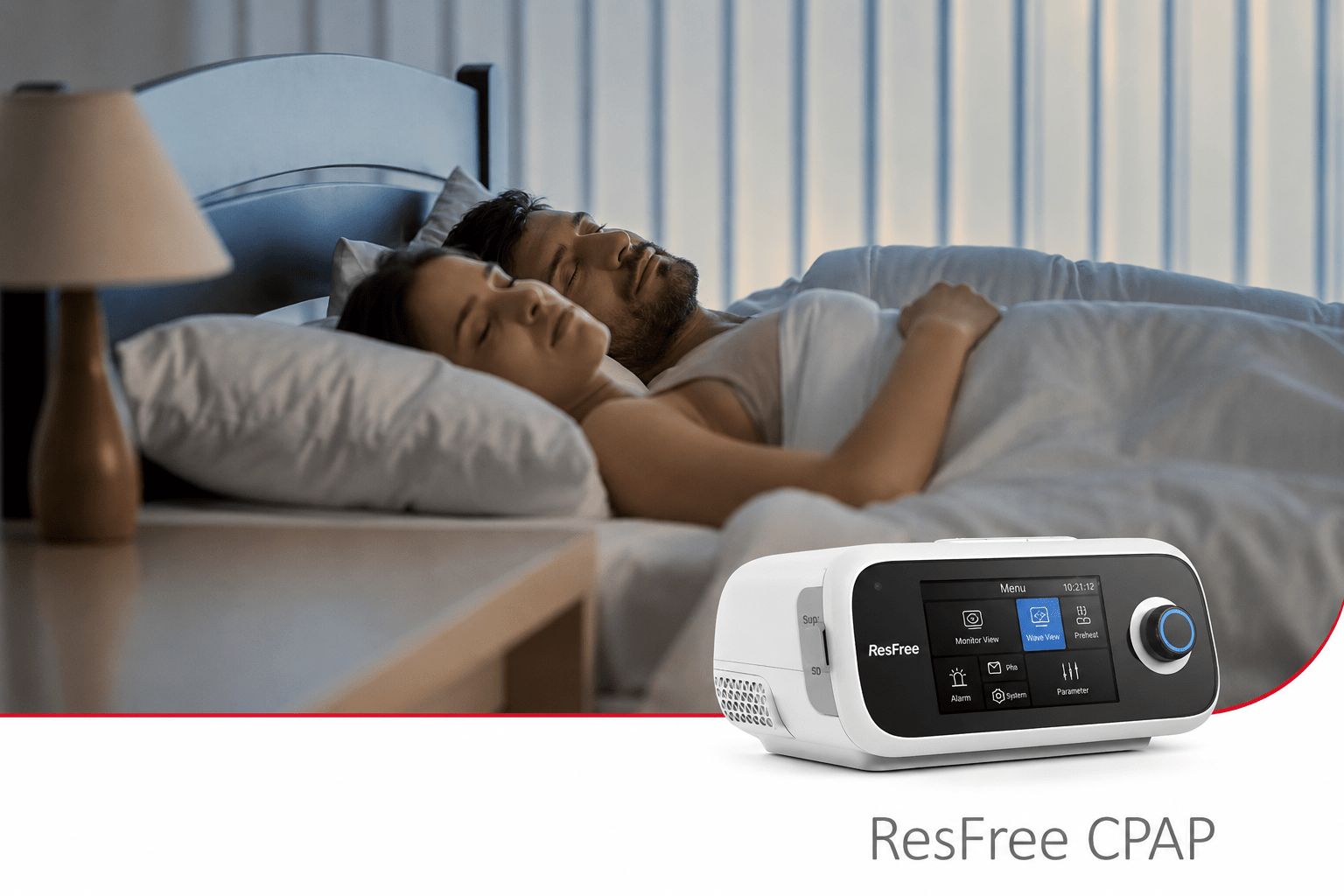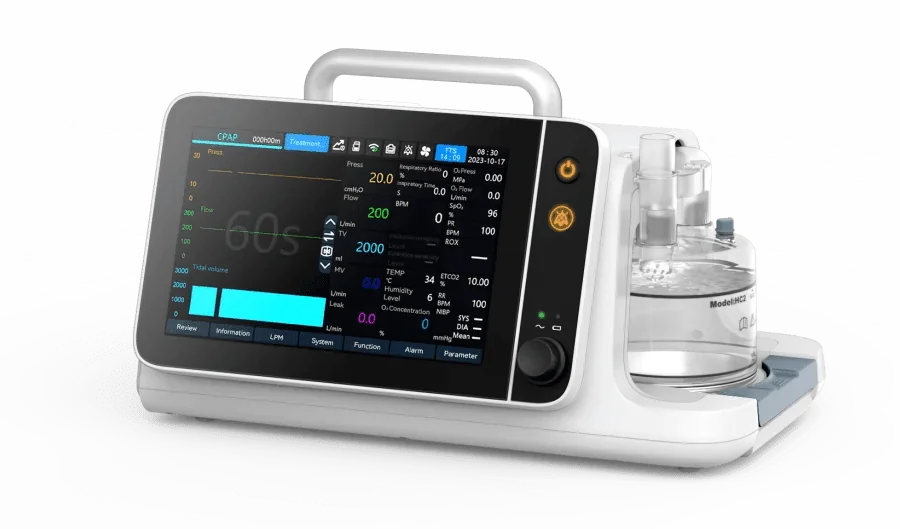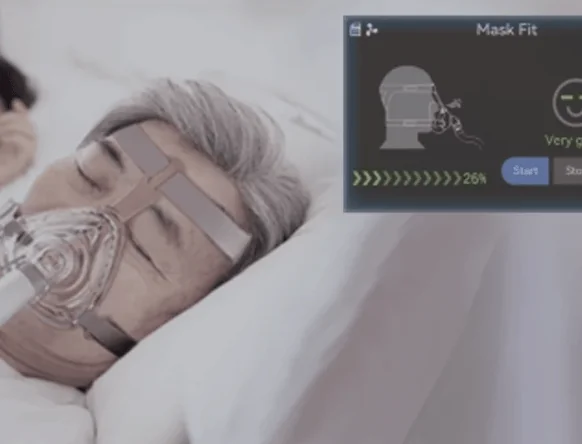
Selecting the appropriate respiratory support system requires a thorough analysis of patient condition, clinical environment, and therapeutic objectives. When clinicians weigh the utility of a medical ventilator niv against invasive alternatives, they evaluate how the interface connects with the patient’s airway. Understanding these distinct pathways helps medical facilities select respiratory support according to patient condition, clinical setting, and ventilation requirements
Understanding Airway Management Protocols
Invasive ventilation involves a physical connection to the patient’s airway, typically through an endotracheal tube or tracheostomy. This mechanical setup bypasses the upper airway, allowing direct pressure and volume delivery into the lungs. This method is generally used when patients have severe respiratory failure, require airway protection, or cannot adequately tolerate or respond to non-invasive support. It provides direct control over tidal volume and respiratory rate.
Conversely, non-invasive systems deliver pressurized air through a mask or nasal interface. This approach maintains the integrity of the upper airway, which reduces complications associated with intubation. By avoiding endotracheal intubation, non-invasive ventilation can avoid complications directly associated with invasive airway management, although appropriate patient selection and monitoring remain essential. Patient cooperation is a primary requirement for success with this method, as the seal must remain stable to achieve desired pressure levels.
Clinical Application of Respiratory Support
The transition between therapy types often dictates the course of treatment. A breathing machine designed for invasive use operates under strict parameters to compensate for the lack of physiological compensatory mechanisms in critically ill patients. It offers sophisticated modes like synchronized intermittent mandatory ventilation, ensuring that every breath is accounted for while monitoring airway pressures to prevent barotrauma or volutrauma during extended recovery phases.
For patients suffering from acute exacerbations of chronic conditions, non-invasive support often serves as the initial intervention. By applying positive end-expiratory pressure, these devices assist in maintaining alveolar recruitment without the need for sedation. This strategy allows patients to maintain their ability to speak, cough, and swallow, which promotes faster recovery in step-down units. Many healthcare facilities now prioritize this approach to preserve patient autonomy.
Technical Requirements for Modern Facilities
Beyond MedTech provides medical solutions across homecare, respiratory care, oxygen concentration, clinical care, and related medical device applications. Its respiratory portfolio includes clinical ventilation and home respiratory care solutions designed for different healthcare settings
When procuring equipment, procurement partners should verify that the chosen NIV system is compatible with the facility’s existing oxygen supply, monitoring, connectivity, and clinical workflow requirements. Reliability in sensors and the ability to maintain a consistent seal are critical technical specifications. Advanced units now include high-flow oxygen therapy modes, providing flexibility for patients who require titration during the weaning process from heavier support systems to more comfortable alternatives.
The engineering behind a robust breathing machine focuses on user-centric design to minimize staff intervention time. For busy clinical environments, the ease of sanitization, filter replacement, and data output determines the overall workflow efficiency. Beyond providing durable hardware, manufacturers must ensure that their devices offer intuitive interfaces that allow respiratory therapists to adjust inspiratory and expiratory pressures with precision based on real-time blood gas analysis.
Strategic Procurement for Long-term Outcomes
Healthcare providers frequently evaluate the total cost of ownership when choosing between different ventilation technologies. Invasive platforms often necessitate higher nursing ratios and intensive monitoring, whereas non-invasive solutions provide a more scalable model for general ward management. Beyond the initial acquisition costs, the long-term benefit includes shorter stays in intensive care units and reduced overall patient morbidity, which aligns with modern value-based care initiatives.
Implementing a versatile respiratory program requires collaboration between clinical staff and equipment suppliers. By leveraging the expertise of companies like Beyond, hospitals gain access to specialized solutions that bridge the gap between complex inpatient care and specialized home monitoring. This partnership approach ensures that the technology deployed remains responsive to shifting patient demographics and specific regulatory requirements regarding respiratory support and safety standards.
Clinical Outcomes and Future Perspectives
The choice between invasive and non-invasive methods is rarely static. As patient status fluctuates, the strategy must remain agile to prevent respiratory muscle fatigue or prolonged dependence on mechanical support. A NIV breathing machine can serve as an alternative or transitional form of respiratory support in appropriately selected patients, while patients who deteriorate or cannot maintain adequate ventilation may still require invasive ventilation
Ultimately, the focus remains on patient comfort and physiological stability. Whether utilizing a specialized breathing machine for acute support or portable units for chronic management, the goal is to provide respiratory relief while minimizing risks. Beyond maintains a strong commitment to these standards, ensuring that every component—from the alarm systems to the airflow regulators—is designed to enhance the quality of care provided by modern medical institutions worldwide.