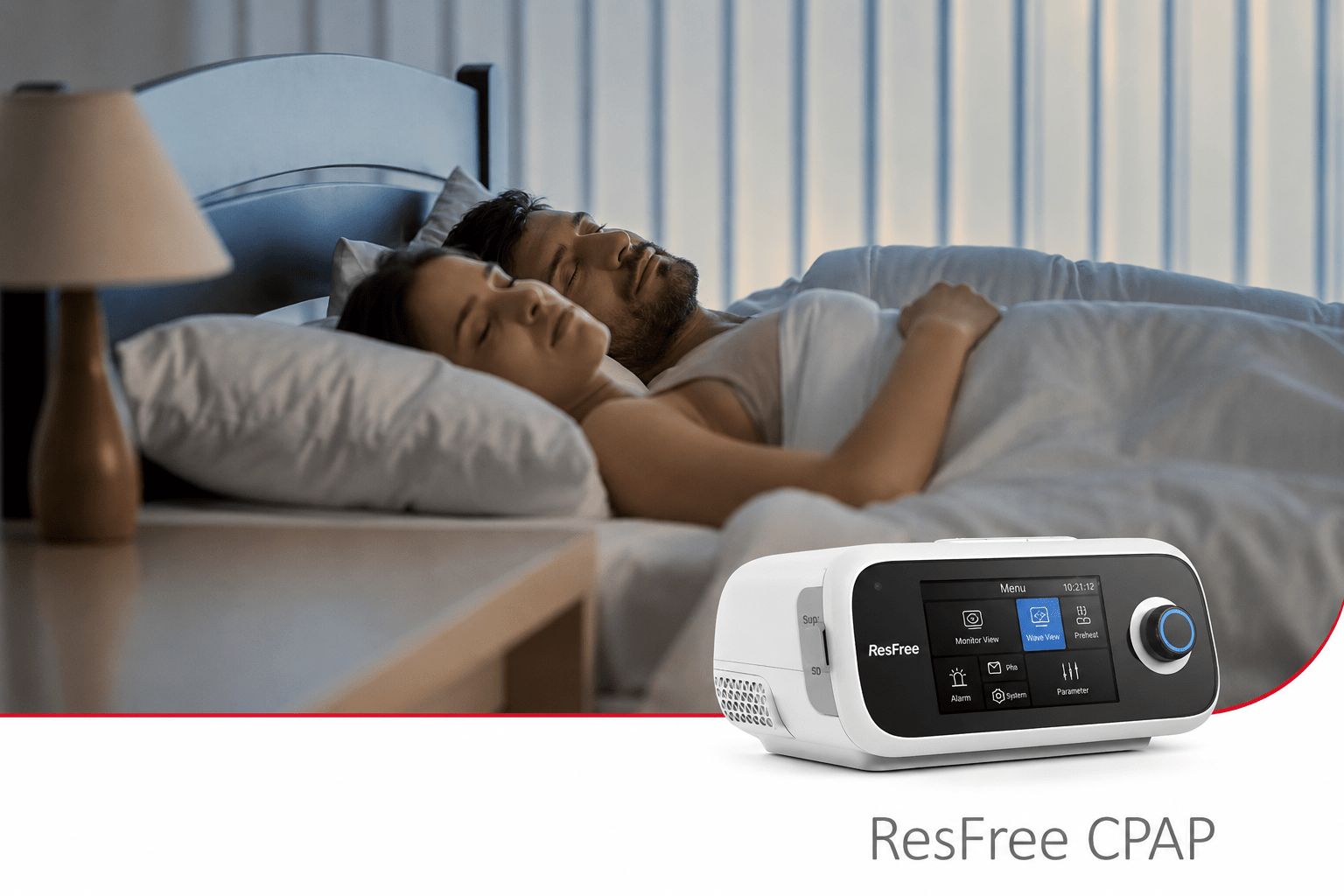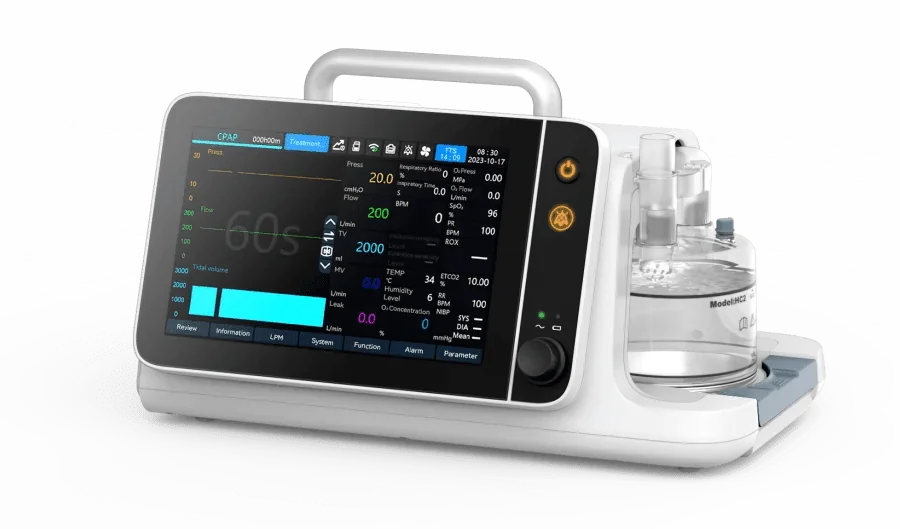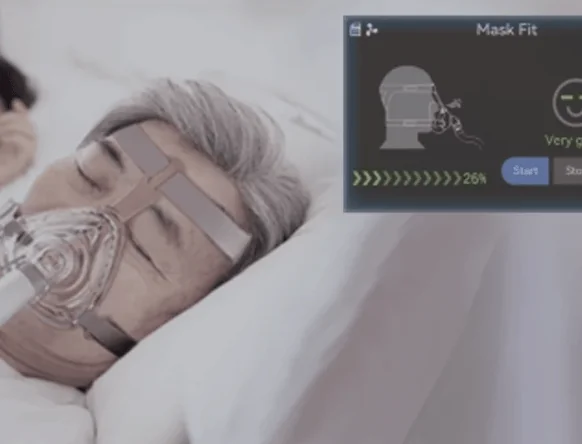
Respiratory care technology has evolved significantly, providing healthcare facilities with precise tools to manage diverse patient needs. Bilevel Positive Airway Pressure (BiPAP) machines serve as a critical intervention for those requiring non-invasive ventilation. By delivering different pressure levels for inhalation and exhalation, these systems can provide pressure support suited to patients who require bilevel non-invasive ventilation. Hospitals and specialized centers rely on these systems to improve patient compliance and therapeutic outcomes across various clinical environments.
Clinical Management of Chronic Obstructive Pulmonary Disease
Chronic Obstructive Pulmonary Disease (COPD) remains a significant challenge in modern medicine, often requiring consistent respiratory support. Clinicians frequently utilize a cpap device to stabilize airflow, yet BiPAP systems provide superior relief for patients experiencing acute exacerbations. The ability to lower pressure during exhalation reduces the work of breathing, allowing tired respiratory muscles to recover while maintaining vital oxygen saturation levels.
Integrating advanced technology is essential for managing chronic respiratory failure effectively. By providing tailored pressure support, these devices help stabilize arterial blood gas levels, preventing the need for more invasive mechanical ventilation. This approach benefits patients significantly by minimizing hospital stays and reducing the risk of respiratory muscle fatigue. As professionals integrate these systems into care plans, they observe improved patient stabilization and enhanced recovery trajectories.
Addressing Obstructive Sleep Apnea in Hospitalized Patients
While many associate sleep-disordered breathing with home use, its management in acute care settings is equally vital. When patients are admitted for other surgical procedures or acute illness, their existing obstructive sleep apnea can complicate recovery. Using an appropriately selected auto bipap machine can provide non-invasive respiratory support for patients with sleep-disordered breathing when clinically indicated
Beyond provides comprehensive respiratory solutions designed to bridge the gap between hospital care and long-term home recovery. The design of these systems allows healthcare providers to adjust settings based on real-time feedback, ensuring each patient receives precise therapy. By utilizing professional-grade equipment, hospitals mitigate the risks associated with untreated apnea during the perioperative period, promoting safer post-surgical healing and more predictable recovery timelines.
Post-Extubation Support and Weaning Protocols
Weaning patients off invasive mechanical ventilation is a delicate process requiring precision and monitoring. BiPAP serves as an effective bridge during this transition, supporting patients as they regain their natural respiratory drive. This non-invasive support helps prevent extubation failure, which can otherwise lead to re-intubation and prolonged mechanical ventilation. It is a critical component for respiratory therapists managing intensive care units.
By facilitating a smoother transition to unassisted breathing, these devices contribute to better patient outcomes. The comfort provided by bilevel pressure helps decrease anxiety in patients who might otherwise struggle with the weaning process. Hunan Biyang Medical Technology Co., Ltd. is a science, industry, and trade enterprise primarily engaged in the business of medical devices, covering home electronics (home ventilators), medical electronics (medical digital intercom systems), and medical devices (infusion pump series, syringe pump series), integrating equipment research and development, manufacturing, marketing, and service.
Managing Neuromuscular Respiratory Insufficiency
Patients with neuromuscular disorders, such as amyotrophic lateral sclerosis or muscular dystrophy, often experience progressive respiratory weakness. These individuals require consistent pressure support to compensate for weak diaphragm function and limited lung expansion. Using an auto bipap machine regularly can provide the necessary ventilatory assistance to ensure adequate gas exchange, effectively delaying the onset of severe respiratory failure and improving quality of life.
The versatility of these devices allows for personalized settings that accommodate the specific needs of patients with progressive muscle weakness. Because these individuals often rely on ventilation for extended periods, equipment reliability and ease of use are paramount. As Beyond emphasizes in its design philosophy, creating accessible and durable respiratory tools ensures that patients can manage their conditions with confidence and safety within their own living environments.
Emergency Department Stabilization Strategies
In the emergency department, speed and efficiency are vital when a patient arrives in respiratory distress. BiPAP can be an important non-invasive respiratory support option for appropriately selected patients with acute cardiogenic pulmonary edema and certain forms of acute respiratory failure. By rapidly increasing intrathoracic pressure and reducing venous return, these devices help alleviate symptoms while clinicians initiate pharmacological treatments. This prompt action often prevents the need for immediate intubation in unstable patients.
The portability and rapid response capabilities of modern units make them indispensable tools for emergency medical teams. When hospitals equip their facilities with reliable technology, they ensure that every patient receives immediate, high-quality care. Maintaining robust respiratory support infrastructure remains a core requirement for any facility dedicated to excellence in emergency medicine and acute care.
Ensuring Long-Term Success with Respiratory Support
Integrating advanced ventilation therapy into clinical practice demands a focus on device reliability and patient comfort. Whether addressing chronic conditions or providing acute support, the goal remains the same: improving patient breathing with minimal invasiveness. A cpap device offers basic support, but the clinical advantage of bilevel systems provides a more comprehensive answer for complex respiratory needs.
Professional procurement requires a careful evaluation of the available technical features and support services. Reliable manufacturers provide the necessary software, training, and maintenance to ensure that clinical teams remain proficient. By prioritizing these factors, healthcare providers build a foundation for sustainable respiratory care that meets the evolving demands of modern medicine. Ongoing focus on patient-centered technology will continue to shape how we manage respiratory insufficiency, ensuring every patient has access to the support they require.